


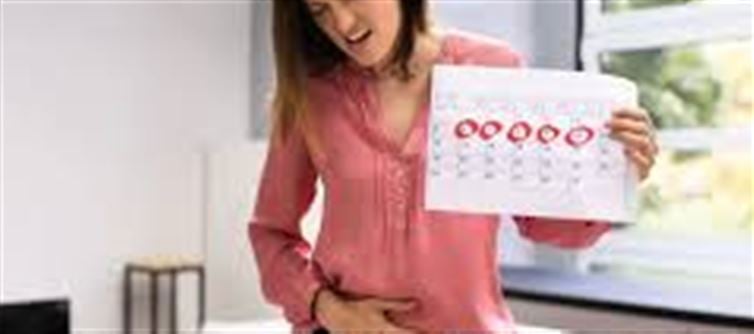

For many women, premenstrual syndrome (PMS) can turn everyday life uncomfortable. Symptoms like bloating, irritability, fatigue, and mood swings often make it difficult to focus on work, school, or even daily routines. But experts say there are simple habits you can adopt to ease these symptoms and bounce back quickly.
Quick Habits to Reduce PMS Discomfort
1. Move Your Body
Light exercise, such as walking, stretching, or yoga, can boost circulation and release endorphins—the body’s natural mood elevators. Even 5–10 minutes of movement can help relieve cramps and improve your mood.
2. Hydrate and Eat Mindfully
Drinking plenty of water helps reduce bloating, while small, balanced meals rich in protein, fruits, and vegetables stabilize blood sugar and energy levels. Avoid excess caffeine, sugar, and salty foods that can worsen PMS symptoms.
3. Try Deep Breathing or Meditation
Stress can amplify PMS discomfort. Spending a few minutes practicing deep breathing, mindfulness, or meditation can calm your nervous system and improve emotional well-being.
4. Use Heat Therapy
A warm compress or hot water bag on the lower abdomen can relax tense muscles and reduce cramps almost instantly. Even short periods of heat therapy can provide noticeable relief.
5. Prioritize Sleep
Lack of rest intensifies fatigue and irritability. Even a 20–30 minute power nap can recharge your energy and improve your mood.
Expert Insight
Health experts emphasize that these habits work best when practiced consistently, but even doing them for a few minutes during PMS can make a big difference in physical comfort and emotional balance. The key is listening to your body and responding with gentle, restorative actions.
Conclusion
PMS doesn’t have to disrupt your day. By adopting simple, quick habits like light exercise, mindful eating, heat therapy, and stress management, women can feel better almost immediately. Small adjustments in your routine can help transform discomfort into relief, making those tough days more manageable.
Disclaimer:
The views and opinions expressed in this article are those of the author and do not necessarily reflect the official policy or position of any agency, organization, employer, or company. All information provided is for general informational purposes only. While every effort has been made to ensure accuracy, we make no representations or warranties of any kind, express or implied, about the completeness, reliability, or suitability of the information contained herein. Readers are advised to verify facts and seek professional advice where necessary. Any reliance placed on such information is strictly at the reader’s own risk.
 click and follow Indiaherald WhatsApp channel