


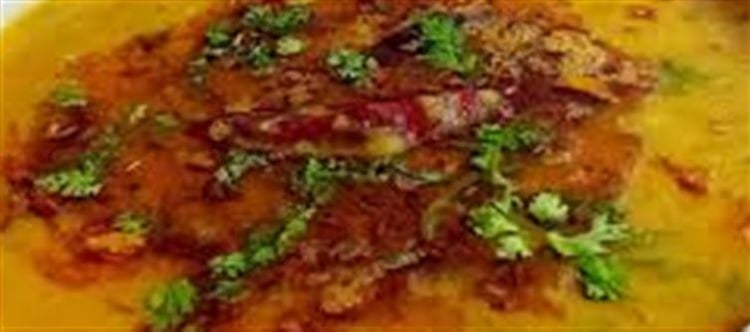

Dal Fry is one of the most beloved dishes in indian cuisine, a comforting and protein-rich staple that is both wholesome and flavorful. While it may seem simple, hotel-style Dal Fry has a special richness and depth of flavor that makes it irresistible. This recipe focuses on layered flavors, perfect tempering, and a creamy texture that will delight your family and elevate your everyday meals.
Why Dal Fry is a Family Favorite
Nutritional Benefits:
Lentils are a rich source of protein, fiber, and essential minerals, supporting heart health and digestion.
Dal Fry is light yet satisfying, making it suitable for all age groups.
Versatility:
Pairs perfectly with steaming rice, rotis, or parathas.
Can be customized with different spices, ghee, or cream to suit taste preferences.
Comfort Food:
Its warm, hearty flavor makes it a go-to dish for weekend family meals or festive occasions.
Ingredients for Hotel-Style Dal Fry (Serves 4)
For the Dal:
1 cup toor dal (pigeon peas) or yellow moong dal
3 cups water
1/2 tsp turmeric powder
Salt to taste
For the Tempering (Tadka):
2 tbsp ghee or oil
1 tsp cumin seeds
1/2 tsp mustard seeds (optional)
1 medium onion, finely chopped
2 medium tomatoes, finely chopped
3–4 garlic cloves, finely chopped
1-inch ginger, grated
2–3 green chilies, slit (adjust to taste)
1/2 tsp red chili powder
1/2 tsp coriander powder
1/4 tsp garam masala
Fresh coriander leaves, chopped
Step-by-Step Preparation
1. Cook the Dal
Wash the lentils thoroughly until water runs clear.
In a pressure cooker, add dal, water, turmeric, and salt.
Cook for 3–4 whistles until soft and mushy.
Mash slightly with a spoon for a creamy consistency.
Tip: Adding a little water while mashing ensures the dal is smooth and not too thick.
2. Prepare the Tadka
Heat ghee or oil in a pan over medium flame.
Add cumin seeds and mustard seeds; let them splutter.
Add chopped onions and sauté until golden brown.
Mix in garlic, ginger, and green chilies; sauté until fragrant.
Add tomatoes, red chili powder, and coriander powder. Cook until oil separates from the masala.
3. Combine Dal and Tadka
Pour the cooked dal into the tempering pan.
Mix well and simmer for 5–7 minutes to blend flavors.
Add garam masala and adjust salt if needed.
Garnish with freshly chopped coriander leaves.
Optional: Add a teaspoon of ghee on top for a rich, restaurant-style finish.
Tips for Perfect Hotel-Style Dal Fry
Consistency: Hotel-style dal is usually slightly thick with a creamy texture; adjust water while cooking to achieve this.
Layered Flavors: Sautéing onions, garlic, and ginger until golden is key for rich aroma and depth of flavor.
Spice Balance: Adjust chili powder and green chilies according to your family’s tolerance.
Finishing Touch: A drizzle of ghee and a sprinkle of fresh coriander elevates both taste and presentation.
Serving Suggestions
Serve hot with steaming basmati rice or rotis.
Pair with papad, pickle, and salad for a complete meal.
Ideal for lunch, dinner, or special occasions to impress family and guests.
Conclusion
Hotel-style Dal Fry is more than a simple lentil dish—it is a culinary delight that combines nutrition, flavor, and comfort in every bite. With the right balance of spices, tempering, and creamy texture, this dish can transform a regular meal into a restaurant-style experience at home. By following these steps, you can serve warm, flavorful, and satisfying dal that your family will cherish and look forward to at every meal.
Disclaimer:
The views and opinions expressed in this article are those of the author and do not necessarily reflect the official policy or position of any agency, organization, employer, or company. All information provided is for general informational purposes only. While every effort has been made to ensure accuracy, we make no representations or warranties of any kind, express or implied, about the completeness, reliability, or suitability of the information contained herein. Readers are advised to verify facts and seek professional advice where necessary. Any reliance placed on such information is strictly at the reader’s own risk.
 click and follow Indiaherald WhatsApp channel