


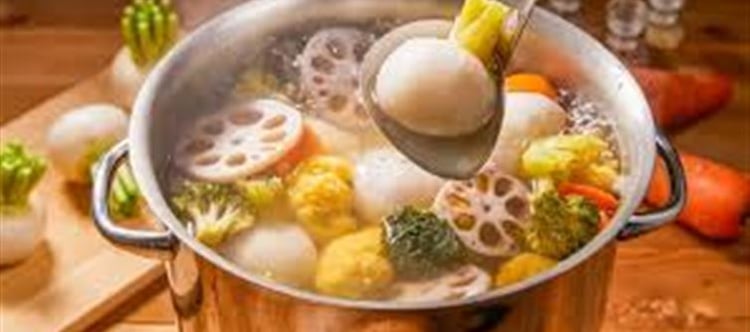

Cooking vegetables properly is important to retain their nutrients while making them easier to digest. Two common methods—steaming and boiling—affect nutrition differently.
How Steaming and Boiling Help Digestion
- Both steaming and boiling break down tough fibers in vegetables, making them easier to chew and digest.
- These methods soften the vegetables without adding extra fats or oils.
Nutrient Retention: Steaming vs. Boiling
- Steaming: Uses minimal water, helping to retain water-soluble vitamins like vitamin c and B vitamins. Steamed vegetables often preserve their color, texture, and nutrients better.
- Boiling: If vegetables are boiled in plenty of water, some nutrients may leach into the water, causing partial nutrient loss. To retain nutrition, use the boiling water in soups or gravies.
Tips for Maximum Nutrition
Use minimal water when boiling.
Avoid overcooking; cook vegetables just until tender.
Prefer steaming when possible to preserve taste and nutrients.
Incorporate both methods depending on the recipe and texture desired.
Conclusion
Both steaming and boiling are effective ways to make vegetables digestible while preserving nutrients, but steaming is generally better at retaining vitamins. Avoid cooking methods that require no water, as high heat without moisture can destroy valuable nutrients.
Disclaimer:
The views and opinions expressed in this article are those of the author and do not necessarily reflect the official policy or position of any agency, organization, employer, or company. All information provided is for general informational purposes only. While every effort has been made to ensure accuracy, we make no representations or warranties of any kind, express or implied, about the completeness, reliability, or suitability of the information contained herein. Readers are advised to verify facts and seek professional advice where necessary. Any reliance placed on such information is strictly at the reader’s own risk.
.jpg)
 click and follow Indiaherald WhatsApp channel