
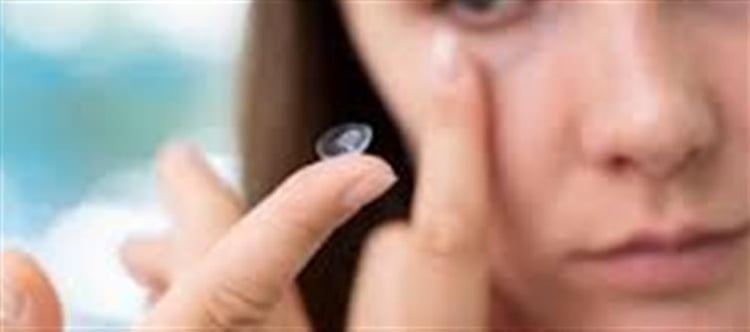


During smog-heavy winters, air pollution becomes a serious threat to eye health—especially for people who wear contact lenses. Pollutants like PM2.5, PM10, smoke, dust, and chemical particles can stick to lenses, disturb the tear film, and trap harmful bacteria against your cornea. This increases the risk of dry eyes, infections, corneal ulcers, and microbial keratitis.
Here are the essential do’s and don’ts recommended by eye specialists.
1. DO Keep Your Lenses Clean and Replace Them Regularly
Pollutants easily settle on the lens surface.
- Use fresh lens solution every time you store lenses
- Follow the recommended replacement schedule (daily, fortnightly, monthly)
- Never overuse or extend the life of your lenses
Why it matters: Dirty lenses trap bacteria and pollutants, increasing infection risk.
2. DO Wear Protective Eyewear Outdoors
When pollution levels are high:
- Wear UV-protective glasses or wraparound sunglasses
- They act as a physical barrier and reduce exposure to dust, smog, and allergens
Bonus: It also prevents dryness caused by cold winds.
3. DO Use Lubricating Eye Drops (Artificial Tears)
Dryness becomes worse in polluted environments.
- Use preservative-free lubricating drops 2–3 times a day
- Helps maintain the tear film and reduces irritation
Avoid redness or whitening drops without consulting a doctor.
4. DO Maintain Good Lens Hygiene
- Wash hands thoroughly before touching lenses
- Clean lens cases daily
- Replace lens cases every 3 months
- Never rinse lenses with tap water
5. DON’T Wear Lenses for Long Hours During Smoggy Days
Specialists recommend limiting lens use when AQI is high.
- Reduce wear time
- Switch to glasses on high pollution days
- Daily disposable lenses are safer in these conditions
6. DON’T Wear Lenses While Sleeping or Bathing
This traps pollutants and bacteria inside the eye, raising infection risks.
- Remove your lenses before a nap
- Never wear lenses while bathing or swimming
7. DON’T Rub Your Eyes
If pollution makes your eyes itchy:
- Avoid rubbing, as it can scratch the cornea, push particles deeper, or worsen inflammation
- Use a cold compress or eye drops instead
8. Seek Medical Help If Symptoms Appear
Consult an eye doctor if you experience:
- Redness
- Pain
- Blurred vision
- Excessive tearing
- Sensitivity to light
These may signal early signs of keratitis, which needs immediate treatment.
Final Thoughts
Air pollution can seriously impact your eyes—more so when you use contact lenses. By following these specialist-approved do’s and don’ts, you can protect your eyes, prevent infections, and continue using your lenses safely throughout the smoggy winter season.
Disclaimer:
The views and opinions expressed in this article are those of the author and do not necessarily reflect the official policy or position of any agency, organization, employer, or company. All information provided is for general informational purposes only. While every effort has been made to ensure accuracy, we make no representations or warranties of any kind, express or implied, about the completeness, reliability, or suitability of the information contained herein. Readers are advised to verify facts and seek professional advice where necessary. Any reliance placed on such information is strictly at the reader’s own risk..jpg)
 click and follow Indiaherald WhatsApp channel