


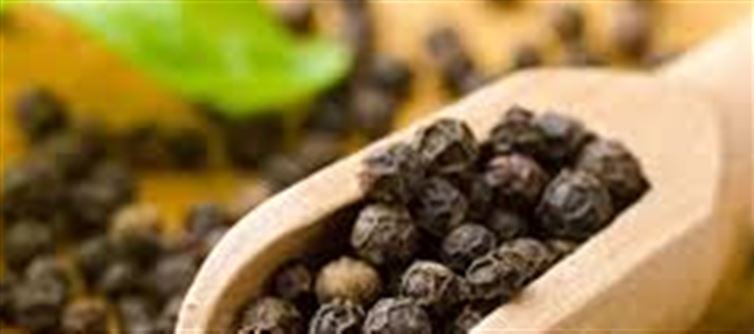

Black pepper, known as the “King of Spices,” is widely used in kitchens worldwide. Unfortunately, due to its high demand and value, black pepper is often adulterated, which can affect taste, health, and safety. Understanding common adulteration methods and simple detection techniques can help you choose safe, pure pepper for cooking.
Common Methods of Adulteration in Black Pepper
Mixing with Other Seeds
Peppercorns may be mixed with dried papaya seeds, seeds of Capsicum, or other cheaper black seeds.
These substitutes are visually similar but lack the flavor and aroma of genuine black pepper.
Coating with Chemical Dyes
Some vendors coat peppercorns with carbon black or other artificial dyes to make them appear fresh and dark.
This is harmful to health, as these chemicals are toxic when ingested.
Moisture Retention and Washing
Pepper may be soaked in water or other solutions to increase weight.
Sometimes chalk powder or starch is added to absorb moisture, which increases bulk but reduces quality.
Use of Foreign Materials
Dust, sand, or tiny stones may be mixed to increase weight.
This is physically detectable if carefully examined.
Simple Ways to Detect Pure Black Pepper at Home
1. Water Test
- Take a glass of water and add 5–6 peppercorns.
- Pure pepper floats or sinks slowly, while adulterated pepper with stones, sand, or chemicals may sink immediately or leave residue.
2. Hand Rub Test
- Rub peppercorns between your fingers.
- Pure pepper releases a strong aroma and oily feel, whereas adulterated pepper feels powdery or chalky.
3. Flame Test
- Drop a peppercorn on a hot pan or flame.
- Genuine pepper burns slowly and emits aromatic smoke, while dye-coated or adulterated pepper may produce black soot or unpleasant odor.
4. Color and Texture Check
- Inspect peppercorns closely.
- Uniform, black, wrinkled peppercorns are usually genuine.
- Shiny, excessively dark, or perfectly smooth seeds may indicate chemical treatment or adulteration.
Tips to Avoid Adulterated Black Pepper
- Buy from trusted vendors or brands with proper packaging.
- Check for certification labels like FSSAI in India.
- Store pepper in airtight containers to preserve flavor and prevent contamination.
- Prefer whole peppercorns over powdered pepper, as they are harder to adulterate.
Key Takeaways
- Black pepper is often adulterated with seeds, dyes, or chemicals to increase weight or appearance.
- Simple home tests like water test, hand rub, flame test, and visual inspection can help identify pure pepper.
- Buying from reliable sources and storing properly ensures you get the aromatic, healthy spice you intended to use.
Disclaimer:
The views and opinions expressed in this article are those of the author and do not necessarily reflect the official policy or position of any agency, organization, employer, or company. All information provided is for general informational purposes only. While every effort has been made to ensure accuracy, we make no representations or warranties of any kind, express or implied, about the completeness, reliability, or suitability of the information contained herein. Readers are advised to verify facts and seek professional advice where necessary. Any reliance placed on such information is strictly at the reader’s own risk.
 click and follow Indiaherald WhatsApp channel