


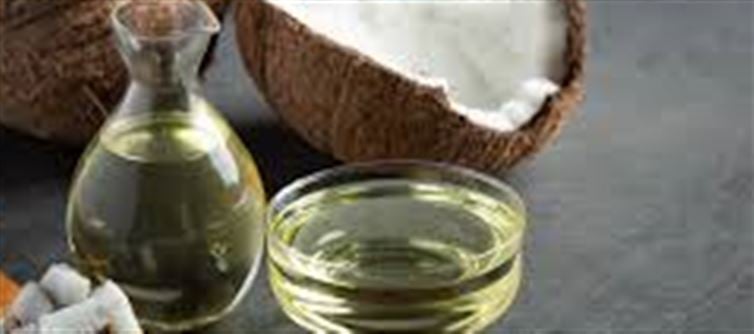

Winter brings dry air, cold winds, and low humidity, all of which can leave your skin feeling tight, itchy, and dehydrated. Many people turn to natural remedies like coconut oil for relief, drawn by its reputation as a moisturizing and nourishing solution. But is coconut oil truly safe and effective for winter skin? Here’s an expert-backed look at the benefits, potential risks, and best practices for using coconut oil during the colder months.
Why Coconut oil is Popular for Skin Care
Coconut oil is rich in medium-chain fatty acids, particularly lauric acid, which has moisturizing, antimicrobial, and anti-inflammatory properties. These qualities make it appealing for:
· Moisturizing dry skin: Coconut oil forms a protective layer that helps lock in moisture.
· Soothe irritation: Its anti-inflammatory properties can calm redness and minor skin irritations.
· Protection against environmental damage: The fatty acids can help reduce the impact of harsh winter winds.
Its natural origin, ease of application, and pleasant scent make it a favorite in many skincare routines.
The Benefits of Coconut oil in Winter
1. Deep Hydration
Coconut oil penetrates the upper layers of the skin, helping to replenish moisture that is easily lost in dry winter conditions.
2. Skin Barrier Support
Winter can weaken the skin barrier, leaving it more prone to dryness and irritation. Coconut oil provides an extra layer of protection, reducing water loss and shielding skin from environmental stressors.
3. Versatility
Coconut oil can be used as a body moisturizer, lip balm, hand cream, or even as a base for homemade scrubs and masks.
4. Natural Antimicrobial Properties
Lauric acid in coconut oil has mild antimicrobial effects, which may help protect against minor infections or acne in some cases.
Potential Risks and Considerations
While coconut oil offers many benefits, it is not universally suitable for every skin type:
1. Comedogenic Potential
Coconut oil is considered highly comedogenic, meaning it can clog pores. people with oily or acne-prone skin may experience breakouts when using it on the face.
2. Allergic Reactions
Although rare, some individuals may develop contact dermatitis or allergic reactions. A patch test is recommended before applying it broadly.
3. Not a Substitute for Other Winter Skincare Needs
Coconut oil provides moisture but does not contain SPF, antioxidants like vitamin C, or other targeted skincare ingredients. It works best as a complementary moisturizer rather than a standalone winter skincare solution.
Expert Tips for Safe Use
1. Patch Test First
Apply a small amount to your inner arm or behind your ear for 24 hours to check for reactions.
2. Apply on Damp Skin
For optimal hydration, apply coconut oil right after showering or washing hands. This helps lock in moisture effectively.
3. Combine with Other Moisturizers
Pair coconut oil with lighter, non-comedogenic lotions or creams to balance hydration without clogging pores.
4. Use Sparingly on the Face
For facial care, a thin layer is sufficient. Avoid applying it on areas prone to breakouts.
5. Choose Pure, Unrefined Coconut Oil
Look for cold-pressed, virgin coconut oil to avoid chemical residues found in some refined oils.
Who Should Avoid Coconut Oil?
· people with acne-prone or oily skin may want to limit its use on the face.
· Individuals with a known coconut allergy should avoid it entirely.
· Those looking for sun protection or targeted anti-aging benefits should supplement with additional products.
Conclusion
Coconut oil can be a safe and effective winter moisturizer for many people, especially for dry or sensitive skin on the body. Its hydrating and protective properties make it a natural ally against the harsh winter elements. However, its comedogenic nature and potential for allergic reactions mean it’s not universally suitable, particularly for facial use on oily or acne-prone skin.
When used mindfully—applied to damp skin, combined with other non-comedogenic moisturizers, and patch-tested first—coconut oil can be a nourishing, seasonal staple that keeps your skin soft, supple, and healthy all winter long.
Disclaimer:
The views and opinions expressed in this article are those of the author and do not necessarily reflect the official policy or position of any agency, organization, employer, or company. All information provided is for general informational purposes only. While every effort has been made to ensure accuracy, we make no representations or warranties of any kind, express or implied, about the completeness, reliability, or suitability of the information contained herein. Readers are advised to verify facts and seek professional advice where necessary. Any reliance placed on such information is strictly at the reader’s own risk.
 click and follow Indiaherald WhatsApp channel