


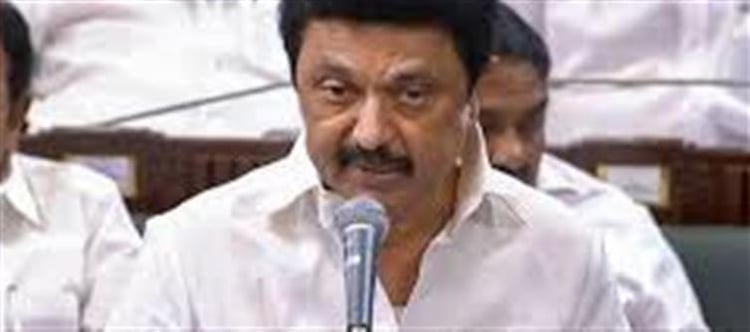

CHENNAI, march 4, 2026 — tamil Nadu chief minister M. K. Stalin has strongly condemned the installation of a Hindi nameplate at the entrance of the Trichy Railway Divisional Office, accusing the Bharatiya Janata party (BJP)‑led Central Government of pursuing a policy of “Hindi imposition” that goes beyond acceptable limits.
Controversy Over ‘Kartavya Dwar’ Signage
The row began after the Southern Railway reportedly placed a Hindi inscription “Kartavya Dwar” — meaning “Gateway of Duty” — at the main entrance of the Trichy Railway office building. Critics in tamil Nadu say the use of hindi in this prominent public location disregards the state’s linguistic sentiments and the predominance of tamil in official and cultural spaces.
Stalin’s Accusation Against BJP
In a post on social media platform X, chief minister stalin accused the bjp government of indulging in excessive hindi imposition. He said the current practice of putting a hindi name — even at the very entrance where it is hard to pronounce — reflects how far the ruling party at the Centre is willing to go in promoting hindi over regional languages.
He claimed that the move represents a disrespect for linguistic plurality and is part of a broader pattern where hindi signage is being given prominence without adequate representation of tamil or English.
Political Reactions and Demands
The controversy has drawn sharp reactions from other politicians as well. MP Su. Venkatesan called for the immediate removal of the hindi nameplate and insisted the entrance be renamed in tamil, describing the Central Government’s actions as rooted in a drive to promote hindi language dominance.
Separately, former bjp national leader Tamilisai Soundarajan also weighed in, insisting that the railway office entrance should instead carry a Tamil name, aligning with local language preference.
Language Sentiments in tamil Nadu
Language politics have long been sensitive in tamil Nadu, which historically has resisted policies perceived as imposing hindi over tamil — a central issue influencing both cultural pride and political debate in the state. Critics argue that public signage and official usage should prioritise tamil and respect regional linguistic identity.
Disclaimer:
The views and opinions expressed in this article are those of the author and do not necessarily reflect the official policy or position of any agency, organization, employer, or company. All information provided is for general informational purposes only. While every effort has been made to ensure accuracy, we make no representations or warranties of any kind, express or implied, about the completeness, reliability, or suitability of the information contained herein. Readers are advised to verify facts and seek professional advice where necessary. Any reliance placed on such information is strictly at the reader’s own risk.
 click and follow Indiaherald WhatsApp channel