


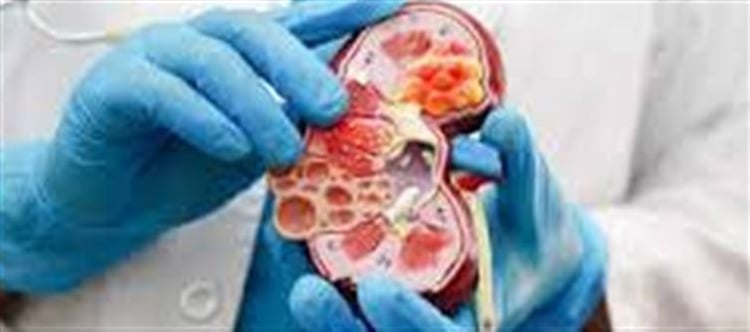

Kidneys are essential organs that filter waste, balance fluids, and regulate blood pressure. Unfortunately, kidney issues often develop silently, showing few obvious signs until the damage is advanced. Experts emphasize that early detection is crucial to prevent serious complications, including kidney failure.
⚠️ 5 Alarming Symptoms to watch For
1. Swelling (Edema)
Where it appears: Feet, ankles, hands, or around the eyes.
Why it happens: Damaged kidneys cannot efficiently remove excess fluid, leading to fluid retention.
2. Changes in Urination
Examples: Increased or decreased frequency, foamy or bloody urine, or difficulty urinating.
Why it matters: These can indicate kidney dysfunction or damage to the filtration system.
3. Persistent Fatigue or Weakness
Why it happens: Kidneys produce erythropoietin, which stimulates red blood cell production. Dysfunction can cause anemia, resulting in tiredness and low energy.
4. Shortness of Breath
Why it happens: Fluid buildup in the lungs due to kidney impairment or anemia can cause breathing difficulties, even at rest or with mild exertion.
5. Nausea, Vomiting, or Loss of Appetite
Why it matters: Accumulation of toxins in the blood (uremia) can affect digestion and appetite, signaling advanced kidney problems.
💡 Expert Recommendations for Kidney Health
Monitor blood pressure and Blood Sugar: High levels can strain and damage kidneys over time.
Stay Hydrated: Proper water intake supports kidney filtration and toxin removal.
Follow a Kidney-Friendly Diet: Limit excessive salt, processed foods, and high-protein diets if advised by a doctor.
Regular Checkups: Routine kidney function tests (creatinine, eGFR, urine tests) can detect early problems.
Avoid Overuse of Painkillers or Nephrotoxic Drugs: Some medications can harm kidneys if used frequently or in high doses.
🔥 Bottom Line
Kidney damage can progress silently but manifests through key warning signs like swelling, urination changes, fatigue, shortness of breath, and digestive issues. Recognizing these symptoms early, adopting kidney-friendly habits, and seeking medical evaluation can protect kidney function and prevent serious complications.
Disclaimer:
The views and opinions expressed in this article are those of the author and do not necessarily reflect the official policy or position of any agency, organization, employer, or company. All information provided is for general informational purposes only. While every effort has been made to ensure accuracy, we make no representations or warranties of any kind, express or implied, about the completeness, reliability, or suitability of the information contained herein. Readers are advised to verify facts and seek professional advice where necessary. Any reliance placed on such information is strictly at the reader’s own risk.
 click and follow Indiaherald WhatsApp channel