


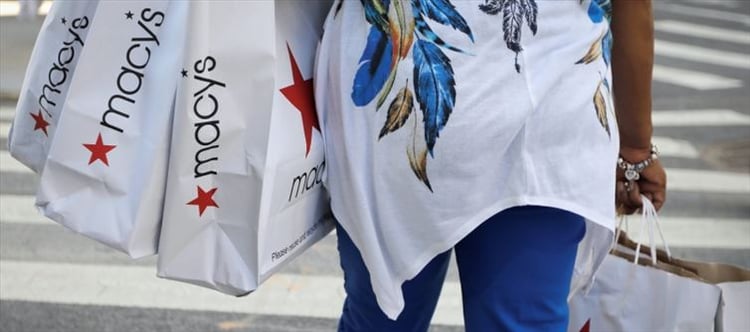

The Conference Board, a business research group, reported this week that consumer confidence has tumbled to its lowest level since 2014. And in survey results released this week by the National Association for business economics, two-thirds of economists who were polled said they thought the economy remains in recession. Nearly half said they didn't expect it to return to pre-pandemic levels until mid-2022. After enacting a massive financial rescue package in march, congressional Republicans and Democrats have failed to agree on allocating more aid to the unemployed and to struggling states and localities.
The expiration of the USD 600-a-week federal jobless benefit is leaving some families desperate. Economists say the loss of that aid has also deprived the economy of a key pool of spending money. President donald trump signed an executive order Aug. 8 offering a stripped-down version of the expanded unemployment benefit. At least 39 states have accepted or said that they would apply for federal grants that let them increase weekly benefits by USD 300 or USD 400. But it's unclear how soon that money will actually get to people or how long it will last. On thursday, the Federal Reserve announced a major change in how it manages interest rates by saying it plans to keep rates near zero even after inflation has exceeded its 2 percent target level.
The change means that borrowing rates for households and businesses for everything from auto loans and home mortgages to corporate expansion will likely remain ultra-low for years to come. Behind the Fed's new thinking is a stubbornly low inflation rate that has long defied the Fed's efforts to raise it and a belief that an exceedingly low jobless rate is critically important for the economy and for individual Americans.
 click and follow Indiaherald WhatsApp channel