


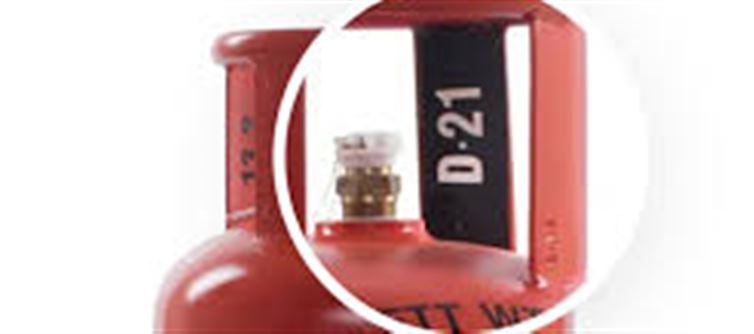

Gas cylinder safety is crucial for every household. Using an expired cylinder can be dangerous, increasing the risk of leaks or accidents. Fortunately, you can easily check the expiry date at home before refilling or using a cylinder.
1. Where to Find the Expiry Date
· Every LPG gas cylinder has a stamped code on the top or shoulder of the cylinder.
· Look for letters such as A, B, C, or D, followed by a number.
· Example format: B 23 or C 21
2. How to read the Code
· The letter (A, B, C, D) indicates the quarter of the year when the cylinder was filled:
o A = January–March
o B = April–June
o C = July–September
o D = October–December
· The number indicates the year of manufacture or expiry.
o For example, B 23 means the cylinder was made or filled in the second quarter (April–June) of 2023.
3. Understanding Cylinder Lifespan
· Standard LPG cylinders have a shelf life of 15 years from the manufacturing date.
· You can calculate the expiry date by adding 15 years to the year mentioned on the cylinder.
· After expiry, cylinders should not be refilled or used and must be exchanged with the supplier.
4. Safety Tips
· Always check the cylinder’s stamp before installation.
· Ensure the cylinder is free from dents, rust, or leaks.
· Replace old regulators, hoses, or valves as a precaution.
· Store cylinders in a well-ventilated area, away from heat sources.
Bottom Line
Checking the expiry date of your gas cylinder at home is simple and ensures your family’s safety. By knowing how to read the stamped code, you can avoid using expired cylinders and prevent accidents.
Regularly inspect your cylinder and always exchange it with your supplier if it is nearing or past expiry.
Disclaimer:
The views and opinions expressed in this article are those of the author and do not necessarily reflect the official policy or position of any agency, organization, employer, or company. All information provided is for general informational purposes only. While every effort has been made to ensure accuracy, we make no representations or warranties of any kind, express or implied, about the completeness, reliability, or suitability of the information contained herein. Readers are advised to verify facts and seek professional advice where necessary. Any reliance placed on such information is strictly at the reader’s own risk..jpg)
 click and follow Indiaherald WhatsApp channel