
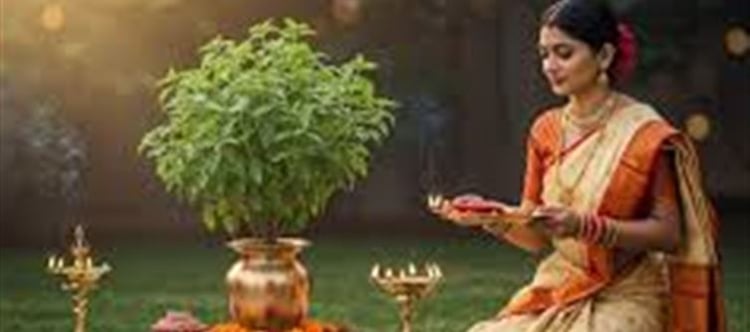


Tulsi, also known as Holy Basil, holds a revered place in Hindu households. Considered sacred, Tulsi is worshipped for its spiritual, medicinal, and purifying qualities. Performing Tulsi Puja (worship of the Tulsi plant) correctly is believed to bring prosperity, health, and spiritual upliftment to the home. This guide provides step-by-step instructions, traditional practices, and tips to ensure your Tulsi Puja is performed with devotion and accuracy.
Importance of Tulsi Puja
- Spiritual Significance: Tulsi is considered an incarnation of the goddess lakshmi and a protector of the household. Worshiping her invites divine blessings.
- Health Benefits: Tulsi is known for its medicinal properties, including immunity-boosting and purification of air.
- Symbol of Devotion: Performing regular Tulsi Puja strengthens mindfulness, gratitude, and spiritual discipline.
Best Time and Day for Tulsi Puja
- Daily Puja: Early morning (between 5:30 AM and 7:00 AM) is considered ideal.
- Special Occasions: Tulsi Vivah, Ekadashi, Pradosh, and certain festivals like Kartik purnima are especially auspicious.
- Location: Tulsi is usually planted in the north, east, or northeast direction of the home, in a Tulsi Vrindavan (a raised platform or small pot dedicated to the plant).
Materials Needed for Tulsi Puja
- Tulsi plant (preferably in a clean pot or dedicated courtyard spot)
- Clean water for watering
- Small bell
- Incense sticks and diya (oil lamp)
- Flowers, preferably fresh (marigold, hibiscus, or lotus)
- Tulsi mala (optional)
- Kumkum (red vermilion) and turmeric
- Sugar or jaggery (for offering)
- Rice or small grains (optional)
Step-by-Step Guide to Performing Tulsi Puja
1. Clean the Area
- Clean the area around the Tulsi plant.
- Ensure the leaves are free from dust and insects.
- Decorate the Tulsi Vrindavan with flowers and rangoli if desired.
2. Offer Water
- Offer clean water to the Tulsi plant using a small pot or vessel.
- Watering the plant symbolizes purity and respect.
3. Light the diya and Incense
- Light a small oil lamp (diya) near the plant.
- Light incense sticks and wave them around the plant as a symbol of devotion and purity.
4. Apply Tilak on the Plant
- Apply kumkum and turmeric at the base or on the leaves (some traditions avoid touching leaves directly).
- This represents sanctification and respect.
5. Offer Flowers and Other Items
- Offer fresh flowers, sugar, or jaggery at the base of the plant.
- Some devotees also offer rice grains as a symbol of nourishment.
6. Chant Mantras
- Recite Tulsi mantras or prayers while performing the puja. Examples include:
Tulsi Stuti:
"Śrī Tulasi-mahā-mangalā, śrī Tulasi-mahā-pūjita..."
- Reciting 108 times or as per family tradition enhances spiritual benefits.
7. Circumambulation (Pradakshina)
- Walk around the plant clockwise (usually three times) while praying.
- This shows reverence and devotion.
8. Conclusion of Puja
- Bow or fold hands in Namaste in front of the Tulsi plant.
- Some devotees distribute sugar or flowers as prasad to family members.
Additional Tips and Traditions
- Respect the Plant: Avoid plucking leaves unnecessarily; use only what is needed for rituals.
- Regular Care: Trim dead leaves, provide sunlight, and water daily to keep Tulsi healthy.
- Tulsi Vivah: Celebrated in the month of Kartik, this ceremonial marriage of Tulsi to Lord vishnu marks the end of the monsoon season and is a major festive occasion.
- Avoid Night Worship: Some traditions recommend not performing Tulsi Puja at night as the plant rests after sunset.
Benefits of Regular Tulsi Puja
Spiritual Growth: Encourages mindfulness and devotion.
Health & Wellbeing: Breeds positive energy, purifies air, and improves immunity.
Harmony in Household: Brings peace, prosperity, and protection from negative influences.
Conclusion
Performing Tulsi Puja correctly is a beautiful way to combine spirituality, health, and tradition. With daily devotion, proper care, and adherence to rituals, the Tulsi plant becomes a living symbol of purity, protection, and blessings. Whether done as a small daily ritual or a grand festival celebration, Tulsi Puja nurtures both the home and the heart.
Disclaimer:
The views and opinions expressed in this article are those of the author and do not necessarily reflect the official policy or position of any agency, organization, employer, or company. All information provided is for general informational purposes only. While every effort has been made to ensure accuracy, we make no representations or warranties of any kind, express or implied, about the completeness, reliability, or suitability of the information contained herein. Readers are advised to verify facts and seek professional advice where necessary. Any reliance placed on such information is strictly at the reader’s own risk.
 click and follow Indiaherald WhatsApp channel