


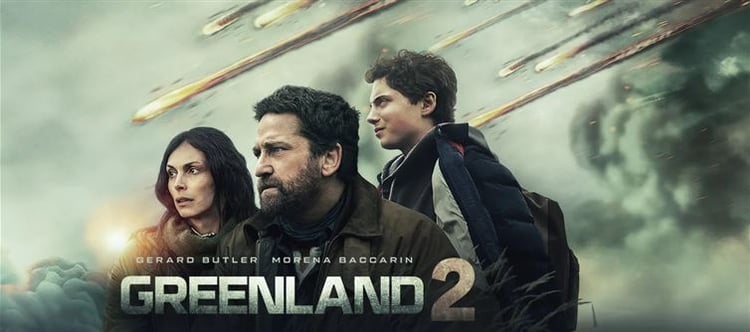

Greenland 2: Migration – A Rare Disaster Sequel That Chooses Consequences Over Carnage
Story
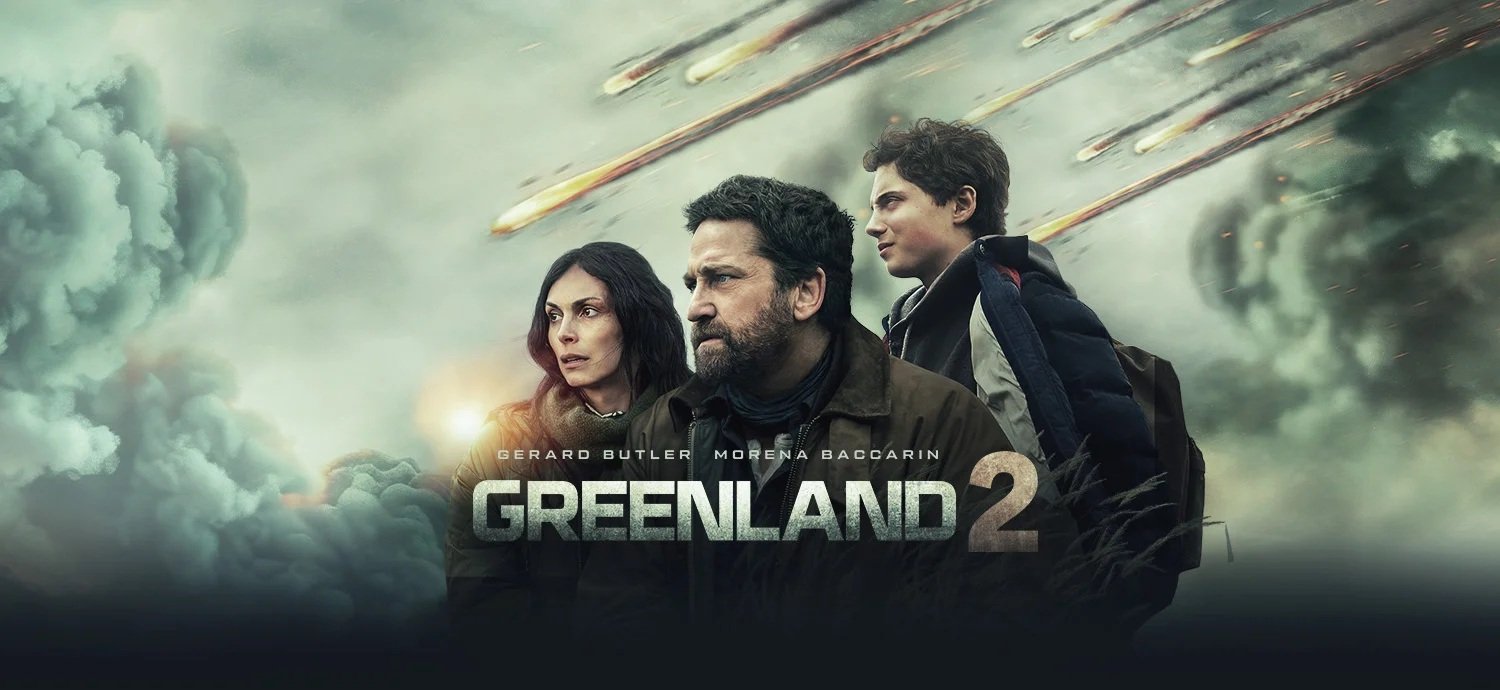
Most disaster films end where the real story should begin. Greenland 2: Migration dares to cross that line. Picking up several years after the extinction-level comet impact seen in Greenland, the sequel asks an uncomfortable but fascinating question: What happens after survival? Humanity is alive, but the Earth is still hostile—air remains toxic, violent storms rage endlessly, and comet fragments continue to fall without warning.

The survivors in Greenland’s bunkers are not rebuilding civilization yet; they are merely enduring it. The film follows the Garrity family as they are forced to leave the bunker in search of a livable future, navigating a broken world where desperation, scarcity, and human cruelty are as dangerous as tsunamis and collapsing coastlines.
Performances
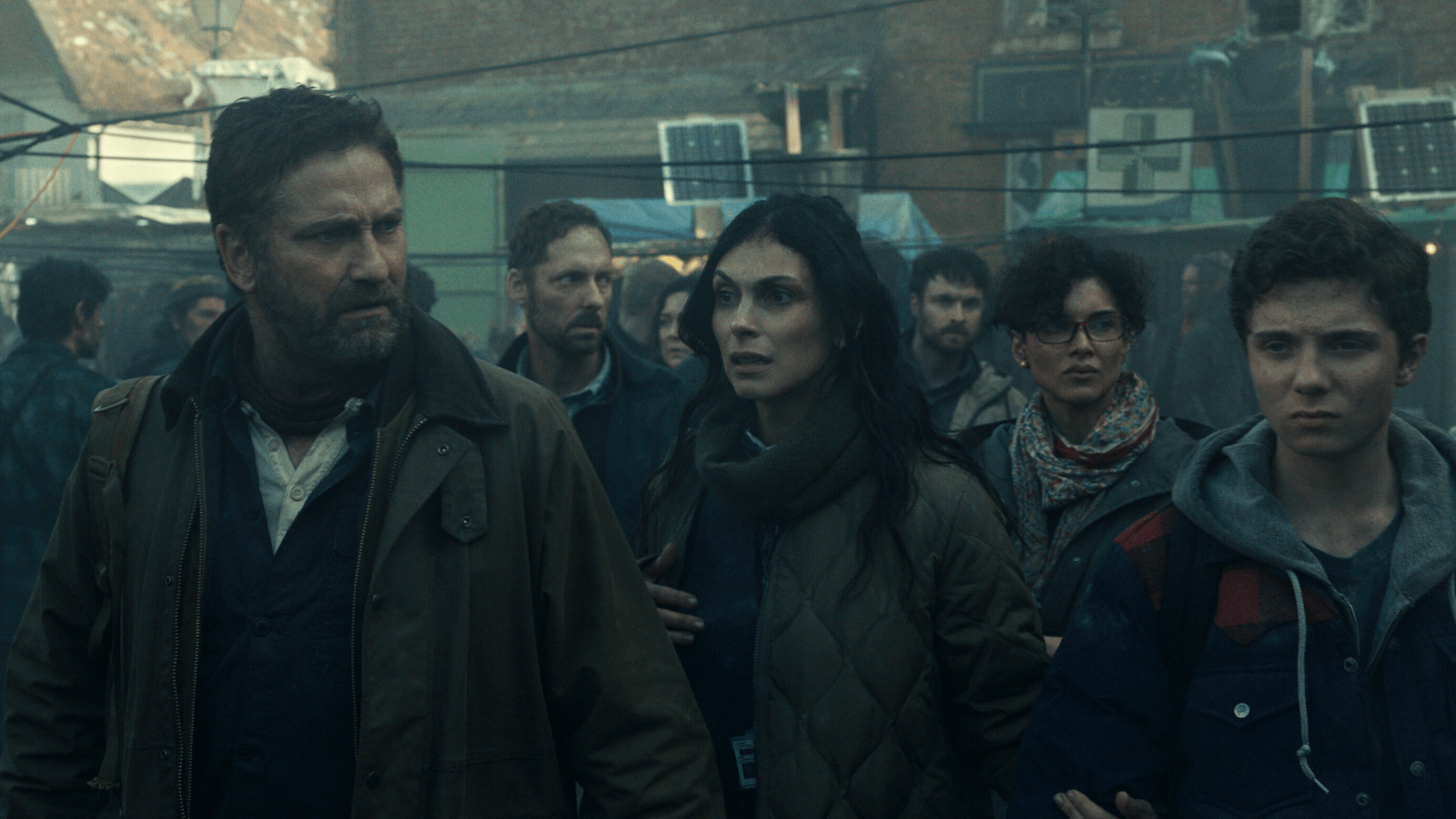
Gerard Butler once again grounds the spectacle with a weary, human performance. john Garrity is no action hero here—he is visibly scarred, emotionally exhausted, and burdened by survivor’s guilt. Morena Baccarin brings warmth and resilience to Allison, balancing strength with vulnerability as the family’s emotional anchor. Roman Griffin Davis continues to impress as Nathan, whose quiet maturity feels earned rather than forced. What stands out most is how the performances lean into trauma rather than triumph—this is survival without victory, and the cast sells it convincingly.
Technicalities

From a technical standpoint, Greenland 2 is confident and controlled. The visual effects are impressive without being overwhelming, favoring realism over bombast. Tsunamis, storm systems, and falling debris feel frighteningly plausible rather than cartoonish. The sound design heightens tension, especially in scenes where silence replaces explosions. Cinematography emphasizes ruined landscapes and confined spaces, reinforcing the claustrophobia of a world that hasn’t healed. The score complements the bleak tone, never pushing emotions too hard, allowing moments of quiet dread to linger.
Analysis

What sets Greenland 2: Migration apart is its restraint. Instead of escalating destruction purely for spectacle, the film shifts focus to moral collapse, psychological trauma, and the erosion of trust. In tone and structure, it feels closer to The Last of Us than traditional disaster blockbusters. Human threats—violence, selfishness, and fractured alliances—often overshadow natural ones. The screenplay smartly explores how survival does not automatically breed unity. One particularly inspired touch is the revelation that governments prioritized therapists over surgeons in the bunkers, acknowledging that mental trauma would outlast physical injuries. This thematic depth gives the sequel a weight rarely seen in the genre. While the science remains somewhat forgiving, the emotional logic is strikingly sound.
What Works
A bold focus on aftermath rather than destruction
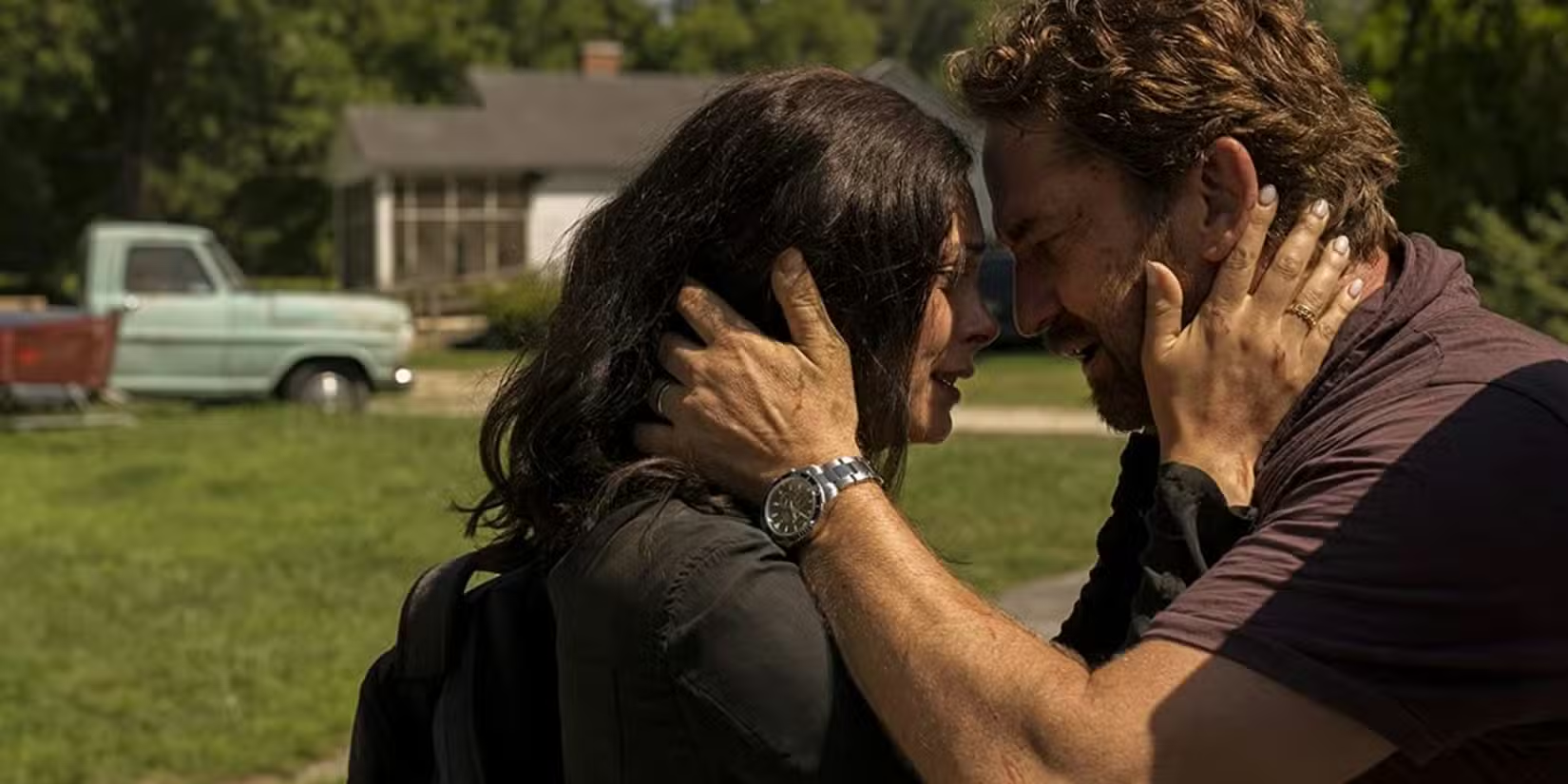
Strong emotional continuity with the first film
Performances rooted in trauma, not heroics
Disaster set pieces that serve the story, not the other way around
A clear thematic message about humanity after survival
What Doesn’t
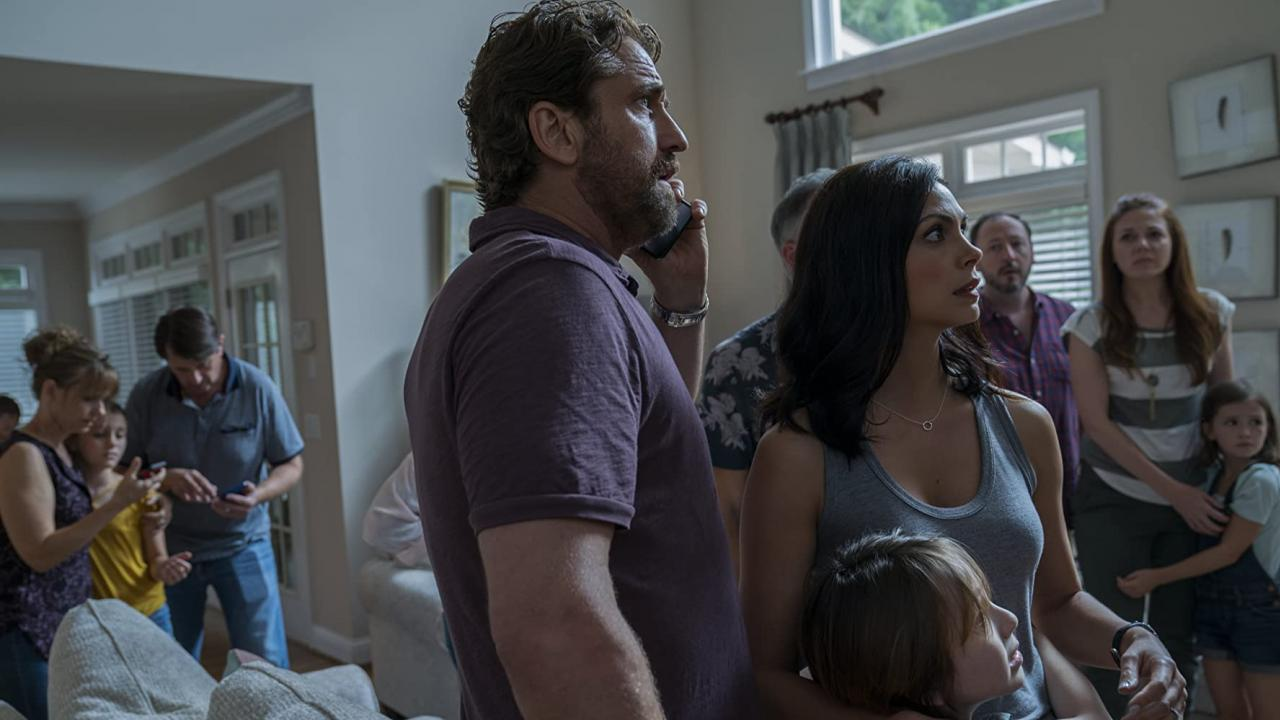
Occasional reliance on convenient Good Samaritans
Inconsistent handling of Nathan’s insulin subplot
Some logical gaps carried over from the first film
Bottom Line
Greenland 2: Migration proves that disaster movies don’t have to choose between spectacle and substance. By shifting the spotlight from global annihilation to human consequence, it elevates itself above most sequels—and most of the genre. It may not be more realistic than its peers, but it is far more thoughtful. In doing so, it becomes a rare example of a disaster sequel that actually has something meaningful to say.
India Herald Ratings & Percentage Meter
Rating: ⭐⭐⭐⭐ / 5
Emotional Impact: 85%
Spectacle & Scale: 80%
Story Depth: 75%
Overall Effectiveness: 82%
A thoughtful, intense, and surprisingly human follow-up that redefines what a disaster sequel can be.
 click and follow Indiaherald WhatsApp channel