



🧩 What’s the New Policy Change?
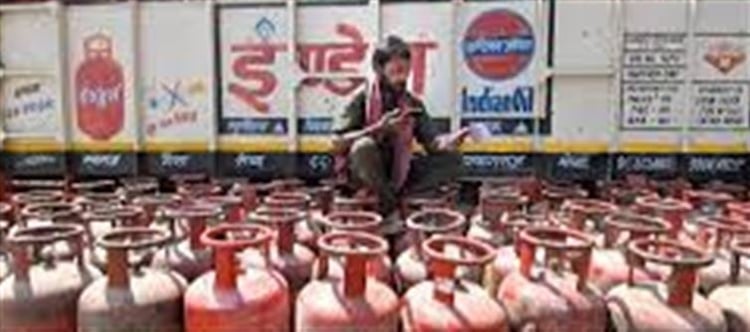
The Government of India has introduced a major policy under the Natural Gas and Petroleum Products Distribution Order, 2026 that directly links domestic LPG cylinder supply to whether households use PNG (Piped Natural Gas) where pipelines already exist.
👉 In areas where PNG infrastructure is available, households must apply for and switch to PNG within three months after being notified — or their LPG cylinder refills may be stopped.
🛠️ Why This Rule Is Being Implemented
1. Reduce Dependence on Imported LPG
India imports a large share (around 60%) of its LPG needs. Increasing the use of PNG — which is delivered through local pipelines — helps ease pressure on imports and improves energy security.
2. Better Supply Stability
Unlike LPG (which must be transported and delivered as cylinders), PNG supply is continuous 24×7 via pipelines, reducing risks of delivery delays or shortages.
3. Environmental and Safety Benefits
PNG tends to be cleaner and safer in storage because it is supplied by pipeline and eliminates the need to handle heavy LPG cylinders.
🏠 Who Will Be Affected?
❗ Households in Areas with PNG Pipelines
If PNG is technically available where you live and you are using LPG cylinders instead, you will be:
- Notified by authorities to get a PNG connection
- Given 90 days (3 months) to switch
- After that period, LPG refills may be discontinued if you haven’t applied for PNG.
📜 Exceptions
If obtaining PNG is technically not feasible at your specific address, you can get a No Objection Certificate (NOC) from the authorised gas distributor — and continue receiving LPG.
🔄 How This Transition Works
PNG network exists in your area → You’ll receive a notice.
You apply for a PNG connection through the authorised gas distributor.
If you don’t switch within 90 days, your LPG refills may stop.
If PNG can’t be connected at your precise location and you have an approved NOC, LPG continues.
⚠️ Why It Matters Now
- The move comes at a time when global LPG supply chains are under pressure due to geopolitical tensions, especially around West Asia — a major source for India’s LPG imports.
- It’s part of a broader energy strategy to expand city gas infrastructure and reduce reliance on imported cylinder fuel.
🔥 Differences Between LPG and PNG
Feature
LPG (Cylinder Fuel)
PNG (Piped Natural Gas)
Delivery
Delivered as cylinders
Supplied via pipelines
Availability
Booked and delivered
Continuous supply
Storage
Requires safe storage
No storage needed
Import Dependency
High
Lower
Cost (varies)
Subsidised for many
Typically billed based on usage
Convenience
Needs frequent booking
“Turn on and cook” supply
📍 What Should Households Do?
✅ Check if PNG infrastructure is available in your area.
✅ If yes, apply for a PNG connection as soon as possible.
✅ Get the NOC only if PNG truly cannot reach your kitchen.
✅ Plan the switch to avoid interruption to your cooking gas supply.
📌 Bottom Line
The government’s new rule is pushing urban homes to switch from LPG cylinders to piped gas (PNG) wherever pipelines already exist. If you refuse to switch or delay beyond 3 months after notification, your **LPG cylinder supply may indeed be discontinued — unless you have a certified exception. This is part of India’s strategy to improve energy security, reduce import dependence, and promote efficient, continuous gas supply in households.
Disclaimer:
The views and opinions expressed in this article are those of the author and do not necessarily reflect the official policy or position of any agency, organization, employer, or company. All information provided is for general informational purposes only. While every effort has been made to ensure accuracy, we make no representations or warranties of any kind, express or implied, about the completeness, reliability, or suitability of the information contained herein. Readers are advised to verify facts and seek professional advice where necessary. Any reliance placed on such information is strictly at the reader’s own risk.
 click and follow Indiaherald WhatsApp channel