


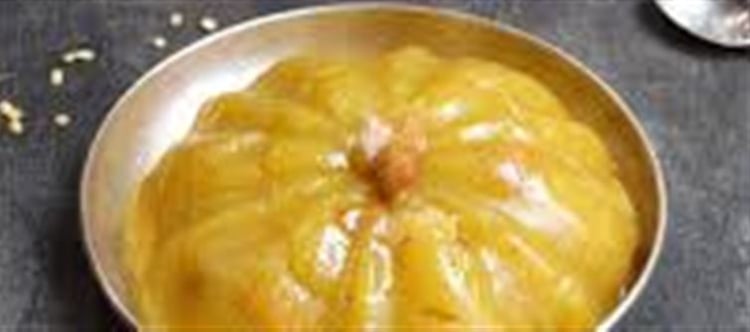

Asoka Halwa is a delicious, rich, and aromatic South indian dessert, typically prepared with moong dal (yellow lentils), ghee, jaggery (or sugar), and flavored with cardamom and saffron. It’s often made during festivals, special occasions, or as a treat for family and friends.
Here's a traditional recipe for Asoka Halwa along with tips and health benefits.
Ingredients:
For the Halwa:
- 1 cup moong dal (yellow split lentils)
- 1/4 cup ghee (clarified butter)
- 1/2 cup jaggery (grated) or sugar (adjust to taste)
- 2 cups water
- 1/2 cup full-fat milk
- 1/4 teaspoon cardamom powder
- A few strands of saffron (optional, for color and aroma)
- 2 tablespoons grated coconut (optional, for garnish)
- 10-12 cashews (for garnish)
- 10-12 raisins (for garnish)
Method:
1. Preparing the Moong Dal:
- Wash the moong dal thoroughly in water.
- In a pan, dry roast the moong dal on low heat until it turns golden brown. This enhances the flavor and aroma of the halwa.
- Once roasted, add 2 cups of water and cook the moong dal until soft. This can take about 10-15 minutes on medium heat. You can use a pressure cooker to cook it faster (1-2 whistles).
2. Making the Halwa Base:
- Once the dal is cooked, mash it lightly using the back of a spoon or a masher. It should be soft and slightly pasty.
- In a separate pan, heat the ghee over medium heat.
- Add the mashed moong dal to the ghee and cook it for about 5-7 minutes, stirring constantly to avoid burning.
3. Adding Sweetness and Flavor:
- Add jaggery (or sugar) to the cooked dal and stir well until the sweetener melts and blends with the dal. If you're using jaggery, make sure to cook the mixture for a few more minutes to let the jaggery dissolve completely.
- Add milk to the mixture and stir until it thickens to a pudding-like consistency. Keep stirring to ensure it doesn't stick to the pan.
- Add cardamom powder and saffron strands (if using) for fragrance and flavor. Continue stirring until the mixture thickens further.
4. Tempering and Garnishing:
- In a small pan, heat a little ghee and fry cashews and raisins until golden brown. Add this to the cooked Asoka Halwa for an added crunch and flavor.
- If you like, you can garnish with a little grated coconut for texture and flavor.
5. Serve and Enjoy:
- Once the Asoka Halwa reaches your desired consistency (not too runny, but not too thick), remove from heat.
- Serve warm or at room temperature. It’s rich, so a little goes a long way!
Tips for Perfect Asoka Halwa:
1. Roast the Dal Well: Roasting the moong dal before cooking helps enhance the flavor and gives the halwa a nutty aroma. Don’t skip this step.
2. Sweetness: Adjust the amount of jaggery or sugar based on your preference. jaggery adds a deep, rich flavor to the halwa and is a healthier alternative to refined sugar.
3. Consistency: The halwa should have a pudding-like consistency, not too runny or dry. If it's too thick, you can add more milk or water to loosen it.
4. Ghee: Use good-quality ghee, as it contributes to the rich taste of the halwa. If you're looking for a healthier version, you can use less ghee or try coconut oil.
5. Garnishing: Cashews and raisins add a nice crunch and sweetness. You can also add almonds, pistachios, or even a sprinkle of rose petals for extra flavor and presentation.
Health Benefits of Asoka Halwa:
While Asoka Halwa is a rich dessert, it does offer several health benefits when consumed in moderation:
1. Good Source of Protein: Moong dal is high in protein, which is essential for muscle growth, repair, and overall body function. It’s a great addition to a balanced diet, especially for vegetarians.
2. Rich in Fiber: Moong dal is also rich in fiber, which supports digestive health and helps in managing cholesterol levels.
3. Energy Boosting: The combination of ghee and jaggery provides a natural source of energy. jaggery, being an unrefined sweetener, contains iron and other minerals that help boost energy levels.
4. Good for Digestion: Moong dal is considered easy to digest, making this dessert a good choice for individuals with sensitive stomachs or those recovering from illness.
5. Saffron Benefits: Saffron has anti-inflammatory, antioxidant, and mood-lifting properties. It’s also known for promoting skin health and improving digestion.
6. Ghee: ghee contains healthy fats that are beneficial for digestion, as it aids in the absorption of fat-soluble vitamins. It also supports brain health and boosts immunity.
7. Cashews and Raisins: Cashews are rich in healthy fats, magnesium, and protein. Raisins provide iron and antioxidants, both of which are beneficial for overall health.
Nutritional Considerations:
Asoka Halwa is a rich dessert, so it’s important to consume it in moderation. It’s high in ghee, sugar, and calories, so it’s best enjoyed as a special treat rather than a regular part of your diet.
For a lighter version, you can reduce the amount of ghee and sugar, use low-fat milk, and opt for a healthier sweetener like jaggery or stevia. Additionally, if you're looking for a vegan version, you can substitute ghee with coconut oil or plant-based ghee.
Disclaimer:
The views and opinions expressed in this article are those of the author and do not necessarily reflect the official policy or position of any agency, organization, employer, or company. All information provided is for general informational purposes only. While every effort has been made to ensure accuracy, we make no representations or warranties of any kind, express or implied, about the completeness, reliability, or suitability of the information contained herein. Readers are advised to verify facts and seek professional advice where necessary. Any reliance placed on such information is strictly at the reader’s own risk.
 click and follow Indiaherald WhatsApp channel