



Chennai — Recent archaeological research has identified 2,000‑year‑old Tamil‑Brahmi inscriptions in Egypt’s royal tombs, a discovery that has excited scholars and cultural leaders in tamil Nadu. The inscriptions, found in the Valley of the Kings — the burial ground of ancient Egyptian pharaohs — were documented across several rock‑cut tombs.
The Tamil‑Brahmi markings include personal names and phrases such as “Cikai Korran vara kanta” which translates to “Cikai Korran came and saw” — indicating that ancient tamil traders or travellers not only visited but possibly spent extended time in egypt around 2,000 years ago.
Researchers documented approximately 30 inscriptions, with the majority written in early tamil script alongside others in sanskrit and Prakrit, suggesting multi‑linguistic interactions.
This remarkable discovery provides new evidence of ancient global connections between South india and Egypt, showing that tamil civilisation participated in long‑distance trade and cultural exchange far beyond the indian Ocean ports previously known to history.
DMK mp kanimozhi Welcomes Continued Research
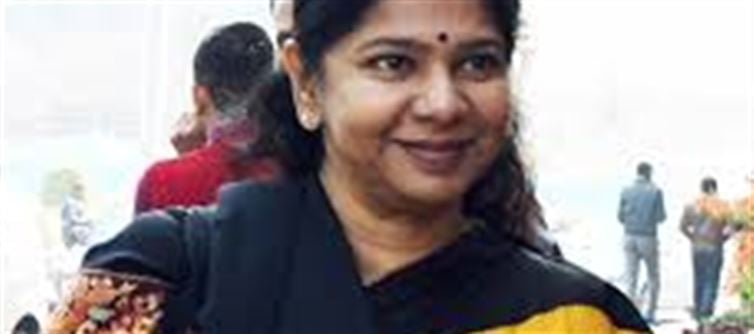
Responding to the news, DMK Member of parliament Kanimozhi expressed great happiness and support for further research in this area. She noted that these findings highlight the rich history and global footprint of the tamil language and civilisation. (User‑provided context)
Kanimozhi emphasised that conducting new studies and expanding archaeological exploration is essential in our times in order to deepen understanding of tamil Nadu’s historical links with ancient civilisations.
Her comments reflect a broader cultural pride in tamil heritage and the importance of supporting scientific and historical research that brings such discoveries to light.
Significance of the Discovery
1. Rewriting Ancient Interaction Narratives
The egypt discovery reshapes how scholars view ancient trade networks. Evidence of Tamil‑Brahmi inscriptions in the Valley of the Kings suggests that traders or travellers from the tamil region were present deep inland in egypt — not just at port cities — as early as the 1st to 3rd centuries CE.
This points to a two‑way exchange between ancient india and the Mediterranean world, involving not just goods but also people, language, and cultural contact.
2. tamil Civilisation’s Global Footprint
The discovery reinforces the idea that Tamil civilisation was connected globally long before the Common Era — participating in expansive maritime and overland networks that stretched across continents.
Finding Tamil‑Brahmi inscriptions alongside other indian languages in Egyptian royal tombs is unprecedented and extends the known historical reach of tamil speakers far beyond South Asia.
3. Encouraging Further Scientific Inquiry
The response from political and cultural figures like kanimozhi highlights the importance of continued scientific and archaeological research. Such studies not only uncover new historical evidence but foster a deeper appreciation of India’s ancient global connections and shared human history.
As she noted, “conducting fresh research is the need of the hour” — underlining that such findings can enrich both academic knowledge and public understanding of tamil heritage. (User‑provided context)
Conclusion: A Proud Moment for tamil Heritage
The discovery of ancient Tamil‑Brahmi inscriptions in Egypt’s Valley of the Kings is a landmark event in historical and archaeological research. It opens up new possibilities for understanding ancient global networks and emphasises the wide‑ranging influence and mobility of tamil civilisation.
With political leaders like kanimozhi welcoming the announcement and calling for further research, this finding also highlights the role of scholarship in strengthening cultural identity and historical pride.
Disclaimer:
The views and opinions expressed in this article are those of the author and do not necessarily reflect the official policy or position of any agency, organization, employer, or company. All information provided is for general informational purposes only. While every effort has been made to ensure accuracy, we make no representations or warranties of any kind, express or implied, about the completeness, reliability, or suitability of the information contained herein. Readers are advised to verify facts and seek professional advice where necessary. Any reliance placed on such information is strictly at the reader’s own risk.
 click and follow Indiaherald WhatsApp channel