


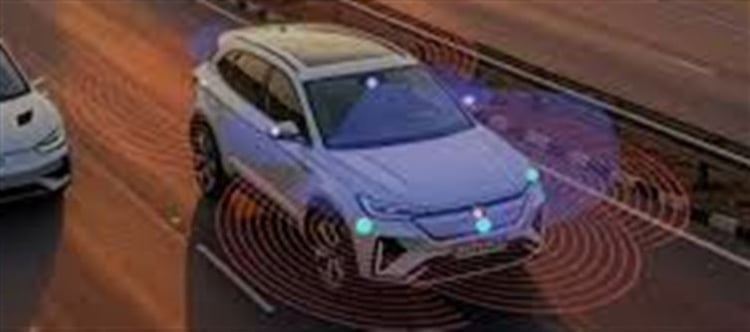

Mahindra & mahindra Ltd. has selected Mobileye’s advanced driver‑assistance systems (ADAS) — specifically SuperVision and Surround ADAS — for at least six upcoming SUV models, with rollout expected to begin in 2027.
This move reflects Mahindra’s push to bring more sophisticated safety and automation features to its future SUVs, catering to rising safety expectations and evolving regulatory norms in India.
🧠 What Is Mobileye ADAS?
Mobileye — an Intel‑owned company specialising in AI‑based automotive safety tech — provides ADAS systems powered by its EyeQ6 High system‑on‑chip (SoC). These systems use multiple cameras, optional radars, and advanced algorithms for perception, mapping, and decision‑making.
Two of the core Mobileye systems mahindra will adopt are:
🔹 SuperVision
- Uses 11 cameras and optional radar sensors.
- Runs on dual EyeQ6 High chips for higher processing performance.
- Enables advanced features such as navigate‑on‑pilot (NOP) — allowing the vehicle to follow a set route under certain conditions — plus parking automation and driver monitoring.
🔹 Surround ADAS
- Uses 5 cameras and multiple radars, powered by a single EyeQ6 High chip.
- Designed to enable hands‑off, eyes‑on driving on highways in pre‑defined scenarios.
- Includes advanced parking assist and driver/occupant monitoring.
🆚 How This Differs From Current ADAS in mahindra SUVs
📌 Existing ADAS (Level 2+)
Some current mahindra models already offer Level‑2 ADAS packages, e.g., adaptive cruise control, lane departure warning, and automatic emergency braking — mostly sensor‑ and camera‑based systems tailored for urban/expressway assistance.
However, these older systems:
- Do not enable point‑to‑point navigation or autonomous lane changing.
- Are generally focused on basic collision avoidance and driver alerts.
- Rely on simpler software stacks and limited camera/radar inputs.
📌 Mobileye’s ADAS (Next Generation)
By contrast, Mobileye’s SuperVision and Surround solutions bring more advanced functionality, including:
- Navigate‑on‑Pilot — similar to highway pilot features on premium cars.
- Driver monitoring systems (DMS) for eye/attention tracking.
- Integrated automated parking capabilities.
- A unified and higher‑performance processing architecture with the EyeQ6 High chip.
These systems represent a step toward higher automation (above basic Level‑2 assistance) by integrating AI‑led perception, road mapping, and decision logic in a single solution.
🛡️ What Benefits drivers Can Expect
Here’s how ADAS tech powered by Mobileye may improve the drive experience in future mahindra SUVs:
✅ Enhanced Highway Assistance
With hands‑off, eyes‑on capabilities in certain conditions, long drives could feel less tiring and safer.
✅ Advanced Parking Support
Automated parking features help with tight spots and complex maneuvers.
✅ Driver Monitoring
Systems that track driver attention can issue warnings if distraction or drowsiness is detected.
✅ Better Sensor Fusion
Multiple cameras + optional radars plus processing power allow richer environment understanding.
📅 When This technology Is Expected
- Production of Mobileye‑equipped mahindra models is expected to start in 2027 and beyond.
- This suggests the new suite will arrive alongside Mahindra’s next‑generation SUVs, including likely successors to models such as the BE.05, XUV.e9, and future Vision platform vehicles.
📌 Why This Matters for indian Buyers
The indian automotive market is rapidly embracing safety tech, partly due to regulatory pushes for ADAS features in new cars and evolving buyer expectations.
Mahindra’s use of Mobileye systems:
- Brings higher automation and safety closer to mainstream SUVs.
- Could help improve crash test ratings and customer confidence.
- Positions mahindra competitively against rivals in tech‑heavy segments.
In summary, this partnership could mark a significant leap in driver‑assistance capabilities for Mahindra’s SUV lineup — blending advanced AI‑based ADAS features with practical road usability, and setting the stage for safer, smarter vehicles on indian roads.
Disclaimer:
The views and opinions expressed in this article are those of the author and do not necessarily reflect the official policy or position of any agency, organization, employer, or company. All information provided is for general informational purposes only. While every effort has been made to ensure accuracy, we make no representations or warranties of any kind, express or implied, about the completeness, reliability, or suitability of the information contained herein. Readers are advised to verify facts and seek professional advice where necessary. Any reliance placed on such information is strictly at the reader’s own risk.
 click and follow Indiaherald WhatsApp channel