
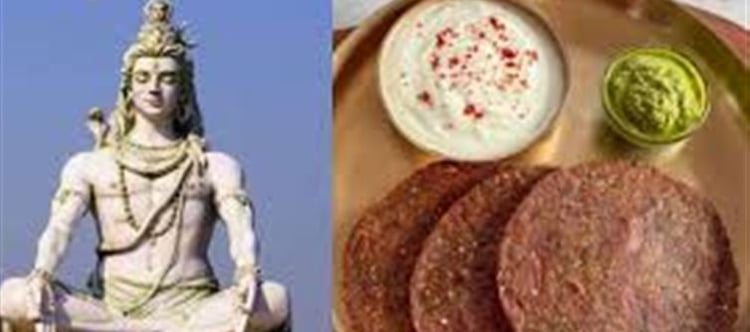


Maha Shivratri — celebrated on 15–16 February 2026 — is one of the most spiritually significant Hindu festivals dedicated to Lord Shiva. For many devotees, observing a fast (vrat) on this day is a way to purify the body and focus the mind on devotion and self‑discipline.
Fasting practices can vary widely — from strict nirjala (no food or water) fasts to partial or fruit‑and‑milk based fasts — but most incorporate simple, sattvic (pure) foods and exclude tamasic or heavy foods that can disturb mental calm.
🌿 1. What to Eat During Mahashivratri Fast
If you’re observing the fast with food (rather than a complete nirjala fast), these foods are traditionally considered appropriate and sattvic:
🍎 Fruits & Natural Foods
- Fresh fruits like banana, apple, pomegranate, papaya — easy to digest and energy‑rich.
- Dry fruits & nuts — almonds, walnuts, raisins, dates help sustain energy during the fast.
🥛 Dairy & Milk Products
Dairy is traditionally seen as sattvic and purifying:
- Milk, yogurt (curd), buttermilk, lassi.
- Milk‑based desserts like sabudana kheer (optional).
🍠 Vratt‑Friendly Grains & Roots
Devotees often rely on specific approved flours and foods:
- Sabudana (sago pearls) — prepared as khichdi, vada, or kheer.
- Kuttu (buckwheat) and singhara (water chestnut) flour — for rotis, puris, dumplings, and dishes.
- Root vegetables like potato and sweet potato — cooked simply with rock salt (sendha namak).
🧂 Rock salt (Sendha Namak)
- Permitted and traditionally used instead of regular table salt during the vrat.
🥥 Hydration & Healthy Fluids
- Coconut water (for hydration), herbal water, or milk.
- Fresh lime water (without sugar) and natural juices may be consumed if the fast allows liquids.
📌 Note: Many devotees choose phalahar — a fast based on fruits and milk — especially if strict fasting all day is difficult due to health or other reasons.
⛔ 2. Foods and Things to Avoid
To maintain the sanctity and discipline of the fast, these foods and items are typically avoided:
❌ Grains and Pulses
- Rice, wheat, lentils, and legumes — not consumed during most Mahashivratri fasts.
- Regular flour and cereals.
❌ Onion and Garlic
- Avoided by many devotees as they are considered tamasic (stimulating/impure) in fasting dietary traditions.
❌ Non‑Vegetarian Foods & Alcohol
- Meat, eggs, fish, and alcohol are generally prohibited during the fast.
❌ Processed, Packed & Junk Foods
- Items high in preservatives, additives, or heavy spices are best avoided to maintain spiritual focus and digestive ease.
❌ Regular Table Salt
- Most devotees use sendha namak (rock salt); regular table salt is usually avoided.
❌ Strong Spices & Stimulating Drinks
- Excessive chili, garam masala, coffee, tea (in strict fasts), and sugary drinks are avoided as they can increase restlessness.
🙏 3. Optional Ritual & Puja Offerings
While not directly dietary, what you offer to Lord Shiva in puja is often linked with fasting discipline:
- Bel patra (bael leaves), milk, curd, honey, saffron, sandalwood, raw rice and water are traditionally offered during Rudrabhishek or puja.
- Some devotees believe certain flowers, like ketaki or tulsi, should not be offered as they are not traditionally associated with shiva worship.
🧘 4. Beyond Food — Mental & Spiritual Discipline
Observing Mahashivratri fasting isn’t just about abstaining from certain foods — it’s also about inner purification:
✔ Avoid anger, harsh speech, jealousy, and negative thoughts.
✔ Stay awake during the night, chant mantras such as Om Namah Shivaya, and meditate.
✔ Engage in devotional activities, visit shiva temples, and perform or participate in rudrabhishek and prayers.
📌 Summary: Eat to Nourish, Avoid to Purify
Allowed (Eat)
Avoid
Fresh fruits & dry fruits
Regular grains (rice, wheat)
Milk, curd, buttermilk
Onion, garlic
Sabudana, kuttu, singhara
Non‑veg, alcohol
Potatoes & root veggies
Processed/junk foods
Rock salt (sendha namak)
Regular table salt
✧ Eat light and sattvic foods to stay nourished and spiritually focused.
✧ Avoid heavy, tamasic, and processed foods to honor the sanctity of the vrata.
Disclaimer:
The views and opinions expressed in this article are those of the author and do not necessarily reflect the official policy or position of any agency, organization, employer, or company. All information provided is for general informational purposes only. While every effort has been made to ensure accuracy, we make no representations or warranties of any kind, express or implied, about the completeness, reliability, or suitability of the information contained herein. Readers are advised to verify facts and seek professional advice where necessary. Any reliance placed on such information is strictly at the reader’s own risk.
 click and follow Indiaherald WhatsApp channel