



Introduction
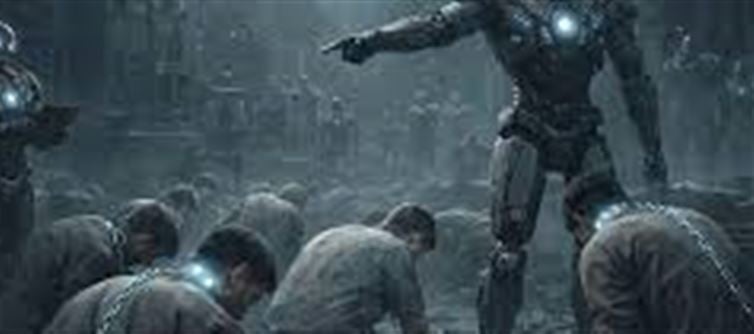
Artificial Intelligence (AI) has rapidly transformed industries by automating tasks that were once thought impossible. While much attention has focused on AI replacing knowledge workers, a new trend has emerged: AI platforms are now “renting” humans to perform physical work that AI cannot yet accomplish. This hybrid model combines AI’s efficiency with human dexterity and judgment.
How AI Coordinates Human Labor
Modern AI systems can manage complex logistics and task assignments. When a physical task is required—like moving items, assembling products, or performing deliveries—AI platforms can:
- Identify tasks suitable for human execution
- Allocate tasks to available workers in real-time
- Monitor performance and provide feedback
This allows AI to scale physical labor efficiently without building a fully robotic workforce.
Examples of Human Tasks Managed by AI
Humans are being “rented” for tasks that require:
- Delivery and logistics: AI apps route human couriers for groceries, packages, or medical supplies.
- Assembly and repairs: workers perform nuanced assembly tasks that robots cannot handle.
- Field inspections: Humans inspect infrastructure, report anomalies, and take corrective actions.
These tasks illustrate how AI leverages human adaptability for jobs that still resist full automation.
Benefits of AI-Human Hybrid Systems
- Efficiency: AI optimizes scheduling and routing for human workers.
- Flexibility: Humans can handle unexpected situations that AI cannot predict.
- Scalability: Businesses can scale operations without investing in physical robots.
Challenges and Ethical Considerations
Despite the advantages, this approach raises important questions:
- Labor rights: Are workers fairly compensated and protected?
- Job security: Does this model displace traditional employment?
- Privacy and surveillance: AI monitoring of workers may lead to excessive oversight.
The Future of Human-AI Collaboration
The emerging model suggests a future where humans and AI work together more closely than ever. Rather than replacing humans entirely, AI may increasingly act as a coordinator, “renting” human labor when needed while taking over repetitive or dangerous tasks itself.
Conclusion
AI renting humans for physical work represents a fascinating evolution of automation. By combining AI’s coordination capabilities with human skill and adaptability, businesses can achieve efficiency without full automation. However, careful attention to ethical, legal, and social implications is essential as this trend grows.
Disclaimer:
The views and opinions expressed in this article are those of the author and do not necessarily reflect the official policy or position of any agency, organization, employer, or company. All information provided is for general informational purposes only. While every effort has been made to ensure accuracy, we make no representations or warranties of any kind, express or implied, about the completeness, reliability, or suitability of the information contained herein. Readers are advised to verify facts and seek professional advice where necessary. Any reliance placed on such information is strictly at the reader’s own risk.
 click and follow Indiaherald WhatsApp channel