



Introduction
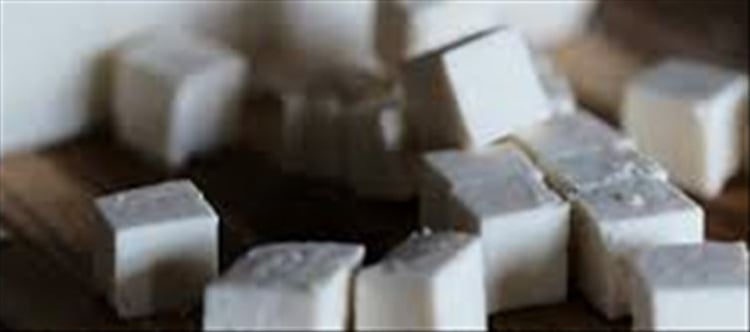
Paneer is a common dairy product, but sometimes adulterated or “fake paneer” made from starch, vegetable oil, or other additives may be sold in place of real milk paneer. While not always dangerous, fake paneer has lower nutrition and may contain unwanted chemicals. Luckily, there are simple home tests to help you check authenticity.
1. Boiling Water Test
How to do it:
- Drop a small piece of paneer into boiling water
- Let it sit for 5–10 minutes
What to observe:
- Real paneer: Stays firm and softens slightly
- Fake paneer: May become rubbery, break apart, or release oil
2. Iodine Test (for starch detection)
How to do it:
- Boil a small piece of paneer and let it cool
- Add 1–2 drops of iodine solution
Result:
- Real paneer: No color change
- Fake paneer (with starch): Turns blue-black
👉 This test detects added starch, a common adulterant.
3. Texture & Feel Test
What to check:
- Real paneer: Soft, slightly crumbly, milky texture
- Fake paneer: Too smooth, rubbery, or unusually hard
If it feels like plastic or bounces when pressed, be cautious.
4. Taste and Smell Test
Real paneer:
- Mild milky aroma
- Soft, creamy taste
Fake paneer:
- Slightly oily or artificial taste
- No natural milk smell
- Sometimes leaves a waxy feel in the mouth
5. Heat Test (Cooking Test)
How to do it:
- Fry or cook paneer cubes
Observation:
- Real paneer: Stays soft and absorbs flavors
- Fake paneer: May become hard, oily, or shrink unnaturally
6. Milk Curd Test (Homemade Comparison)
To be more certain:
- Make fresh paneer at home using milk and lemon juice
- Compare texture, smell, and softness with store-bought paneer
Differences become obvious when placed side by side.
Why Fake Paneer Is Used
Adulteration is usually done to:
- Reduce production cost
- Increase weight using starch or fillers
- Improve shelf appearance
While not always toxic, it reduces protein and calcium content significantly.
How to Reduce Risk When Buying Paneer
- Buy from trusted dairy brands or reputed shops
- Check packaging labels and expiry dates
- Prefer refrigerated paneer over room-temperature products
- Avoid extremely cheap paneer that seems “too soft or too white”
Conclusion
Real paneer is soft, mildly milky, and behaves consistently when cooked, while fake paneer often contains starch or additives that change its texture and behavior. Simple home tests like the iodine test and boiling test can help you quickly identify quality.
Disclaimer:
The views and opinions expressed in this article are those of the author and do not necessarily reflect the official policy or position of any agency, organization, employer, or company. All information provided is for general informational purposes only. While every effort has been made to ensure accuracy, we make no representations or warranties of any kind, express or implied, about the completeness, reliability, or suitability of the information contained herein. Readers are advised to verify facts and seek professional advice where necessary. Any reliance placed on such information is strictly at the reader’s own risk.
 click and follow Indiaherald WhatsApp channel