


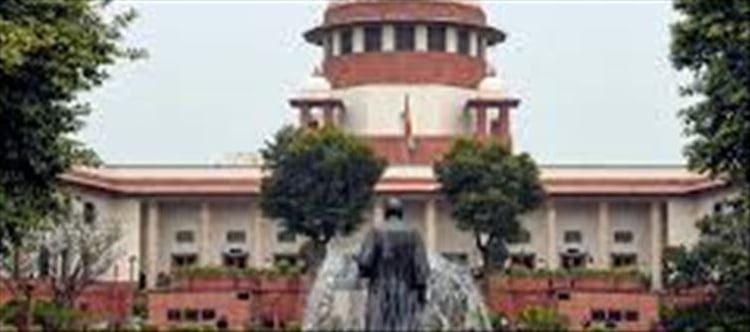

The Supreme court of India has delivered important observations on school admissions in private schools, reinforcing rules related to fairness, transparency, and compliance with education laws.
This ruling is significant because it directly affects how private schools admit students, especially under government-regulated quotas like the Right to education (RTE) Act.
🏫 What the supreme court Focused On
The court emphasized that private schools cannot ignore statutory admission rules, especially those linked to:
- Economically weaker sections (EWS)
- RTE quota admissions
- Fair and transparent selection procedures
- Non-discrimination in admission practices
The judgment reinforces that education institutions, even private ones, must follow constitutional and statutory obligations.
📜 Key Legal Principle Reinforced
The supreme court reiterated that:
- Private schools performing a public function must comply with education laws
- Admissions cannot be arbitrary or biased
- State regulations under the Right to education Act are binding
This strengthens the implementation of equal access to education.
🎓 Impact on Private Schools
✔ 1. Strict Compliance Required
Private schools must:
- Follow RTE reservation norms
- Maintain transparent admission records
- Avoid unfair screening practices
✔ 2. EWS Quota Enforcement
- Schools must reserve seats for Economically Weaker Sections (EWS)
- Admission cannot be denied if eligibility criteria are met
✔ 3. Accountability Increases
- Schools may face legal action for violations
- State education departments can monitor admissions more strictly
👨👩👧 Impact on parents and Students
👍 Positive Effects:
- Fairer access to quality education
- More transparency in admission processes
- Increased opportunities for economically weaker students
⚠️ Challenges:
- Schools may become more regulated
- Admission processes may become more structured and formal
🧠 Why This Ruling Matters
The judgment strengthens India’s education system by ensuring:
- Equal opportunity for all children
- Prevention of unfair admission practices
- Better implementation of education rights under the Constitution
It aligns with the goal of making education more inclusive and accessible.
📌 Final Thoughts
The supreme Court’s ruling on private school admissions reinforces the idea that education is not just a private service but also a public responsibility. Private schools must now strictly follow admission rules, especially those related to RTE and fairness.
Disclaimer:
The views and opinions expressed in this article are those of the author and do not necessarily reflect the official policy or position of any agency, organization, employer, or company. All information provided is for general informational purposes only. While every effort has been made to ensure accuracy, we make no representations or warranties of any kind, express or implied, about the completeness, reliability, or suitability of the information contained herein. Readers are advised to verify facts and seek professional advice where necessary. Any reliance placed on such information is strictly at the reader’s own risk.
 click and follow Indiaherald WhatsApp channel