


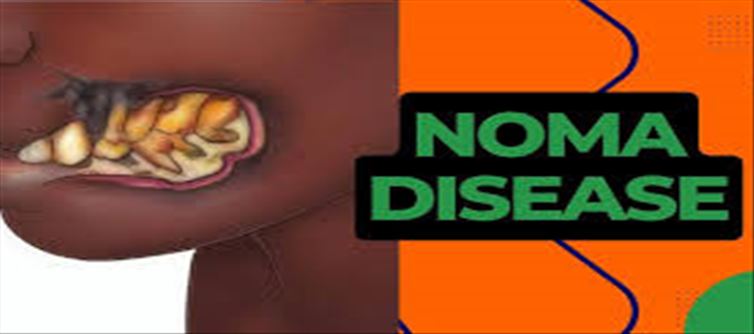

What is Noma, and why is it on WHO's list of NTD diseases?
.jpg)
Noma illness has recently been added to the official list of Neglected Tropical Diseases (NTDs) by the World health Organization (WHO). Diseases that are prevalent in tropical locations, such as Asia, Australia, Africa, South America, Central America, Mexico, and the Pacific Islands, have been included in this list. These include trachoma, leishmaniasis, yawning, snakebite, scabies, and Chagas disease.
The lack of access to appropriate ways for disposing of human waste and clean drinking water is one of the reasons why these diseases are prevalent among the local population.
In light of this, let's examine in-depth the Noma disease, which is on the list of NTDs, its transmission, and how it may impact india in this study.
Noma: What is it?
This is a dangerous condition that affects the face and mouth. It is referred to as "Gangrenous Stomatitis" or "Cancrum Oris." The Greek word "nomos," which meaning to eat, is whence this condition gets its name. Because Noma dissolves the bones and tissues in the face.
It is among the least well-known health issues in the world. In tropical regions, children aged 2 to 6 are typically affected by this condition. However, this condition is also prevalent among people with weakened immune systems who are afflicted with leukemia and HIV.
Noma is not contagious, meaning that contacting or being near someone who has the illness won't increase the chance of spreading it to others. A WHO report states that insufficient sanitation, poverty, and malnutrition are the main causes of Noma sickness. These illnesses also have a death rate that is roughly 90% high.
 click and follow Indiaherald WhatsApp channel