


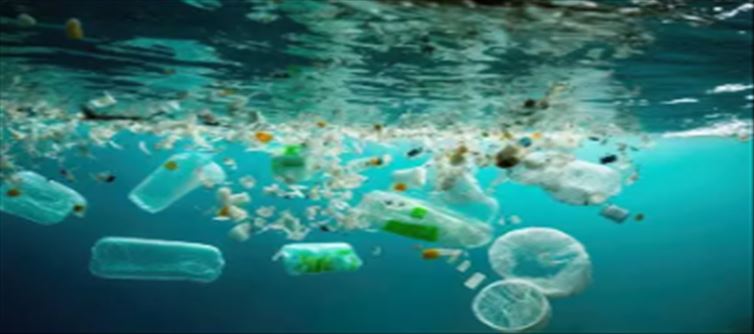

The state of the seas is growing increasingly dire, with vast quantities of waste and pollutants accumulating in their depths. Shockingly, a staggering 11 crore tons of plastic alone are being deposited into the ocean at once, equating to a truckload every minute. This concerning revelation stems from research conducted by scientists at the Commonwealth Scientific and Industrial Research Organization (CSIRO) in Australia.
What's even more alarming is that while much attention is paid to the plastic visibly floating on the ocean's surface, it's estimated that there's 100 times more plastic present within ocean sediments. This accumulation poses a significant threat, potentially transforming the seas into toxic reservoirs if left unchecked.
Preventing pollution from entering the ocean is crucial to addressing this problem. Efforts must be made to curb plastic waste and other pollutants from contaminating marine environments. However, projections suggest that global plastic consumption is set to rise further by 2049, exacerbating the issue unless immediate action is taken.
The responsibility of environmental protection lies with all of us, and urgent measures are needed to safeguard the oceans and ensure the survival of marine ecosystems. Failure to address this crisis could have severe consequences, not only for the environment but also for human existence itself. Scientists have long warned about the repercussions of environmental degradation, including rising temperatures and the potential threat to humanity's future.
It's imperative that we recognize the importance of conserving natural resources and mitigate the harmful impacts of human activities on marine life. The oceans, once teeming with life and vitality, are now threatened by pollution, transforming pristine waters into toxic environments that endanger not only marine species but also human health. It's high time we take decisive action to reverse this trend before it's too late.
 click and follow Indiaherald WhatsApp channel