


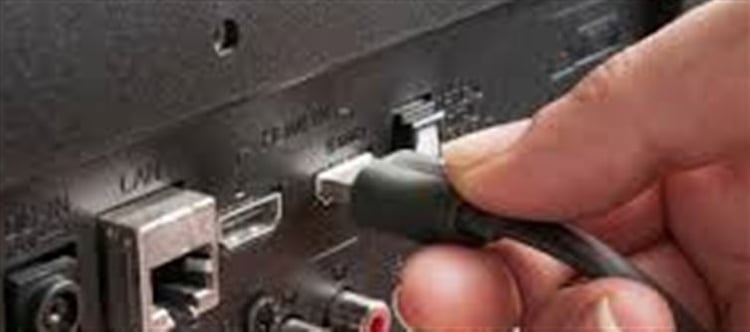

Many smart tv users assume that all HDMI ports on the back of their tv are the same, but this is not the case. While the ports may look identical, different HDMI ports support different specifications and features, which can significantly affect picture and audio quality.
Why HDMI Ports Are Different
1. HDMI Version Differences – Some ports support HDMI 2.1, offering higher bandwidth, 4K/8K resolution at high refresh rates, and features like HDR and VRR (Variable Refresh Rate). Other ports may only support HDMI 2.0 or 1.4, limiting performance.
2. ARC/eARC Support – Certain HDMI ports are marked ARC (Audio Return Channel) or eARC, which allows high-quality audio to pass to soundbars or AV receivers. Connecting your devices to a non-ARC port can reduce audio quality.
3. Game Mode / Enhanced Features – Some HDMI ports on TVs are optimized for gaming consoles, supporting features like ALLM (Auto Low Latency Mode) and HGiG (HDR Gaming Interest Group), ensuring smooth gameplay and better visuals.
Tips for Best Performance
· Check the tv manual to identify which HDMI port supports which features.
· Connect 4K or high-refresh-rate devices to HDMI ports labeled with HDMI 2.1 or “Enhanced.”
· Use the correct port for soundbars or audio systems that rely on ARC/eARC for high-quality audio.
· Label your cables to avoid confusion when connecting multiple devices.
Experts emphasize that using the wrong HDMI port can result in lower resolution, choppy visuals, or reduced audio quality, even if your device supports advanced features. For gamers, streaming enthusiasts, and home theater users, connecting to the right port ensures you get the best possible experience.
By understanding the differences between HDMI ports, users can maximize both picture and sound quality, making their smart tv setup truly immersive.
Disclaimer:
The views and opinions expressed in this article are those of the author and do not necessarily reflect the official policy or position of any agency, organization, employer, or company. All information provided is for general informational purposes only. While every effort has been made to ensure accuracy, we make no representations or warranties of any kind, express or implied, about the completeness, reliability, or suitability of the information contained herein. Readers are advised to verify facts and seek professional advice where necessary. Any reliance placed on such information is strictly at the reader’s own risk.
 click and follow Indiaherald WhatsApp channel