



Water is essential for life, but not all water is created equal. Its pH level—a measure of how acidic or basic it is—can impact both taste and health. Understanding the ideal pH for drinking water and knowing how to test it at home can help ensure you and your family stay safe and healthy.
What Is pH and Why It Matters
The pH scale ranges from 0 to 14:
· Below 7: Acidic
· 7: Neutral
· Above 7: Basic (alkaline)
For drinking water, the ideal pH range is between 6.5 and 8.5, according to the World health Organization (WHO) and the U.S. Environmental Protection Agency (EPA).
· Too acidic (below 6.5): Can corrode pipes and leach metals like lead or copper into water, which may be harmful.
· Too alkaline (above 8.5): May taste bitter or soapy, but is generally less harmful than acidic water.
Maintaining water within the ideal pH range ensures safety, good taste, and prevents plumbing issues.
Low-Cost Ways to Test Water Safety at Home
You don’t always need expensive lab tests to check if your water is safe. Here are some easy, affordable methods:
1. pH Test Strips
o Available at pharmacies or online for a few dollars.
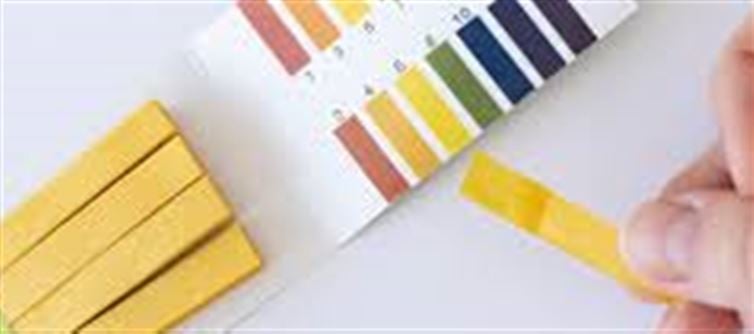
o Dip a strip in your water, wait a few seconds, and compare the color to the chart.
o Quick, simple, and effective for basic pH testing.
2. Digital pH Meters
o Small electronic devices that measure pH more accurately.
o Slightly more expensive than strips but reusable and reliable.
3. Simple DIY Observations (Not a replacement for proper testing, but useful for a first check)
o Taste and Appearance: Unusual taste (metallic, bitter) or cloudiness may indicate pH imbalance or contamination.
o Vinegar Test for Alkalinity: If water reacts (fizzes) when vinegar is added, it may contain high minerals, suggesting it’s more alkaline.
Other Safety Checks at Home
Beyond pH, you can take other low-cost steps to ensure water safety:
· Boiling Water: Kills most bacteria and pathogens.
· Filtration: Use a certified water filter to remove chlorine, sediments, or heavy metals.
· Check local Water Quality Reports: Municipal water suppliers often publish annual reports on tap water safety.
The Bottom Line
Safe drinking water should ideally have a pH between 6.5 and 8.5. Testing water at home using strips or a wallet PLATFORM' target='_blank' title='digital-Latest Updates, Photos, Videos are a click away, CLICK NOW'>digital meter is affordable and can alert you to potential issues before they affect your health. Pair testing with simple purification methods, and you’ll ensure clean, safe water for your household without breaking the bank.
Disclaimer:
The views and opinions expressed in this article are those of the author and do not necessarily reflect the official policy or position of any agency, organization, employer, or company. All information provided is for general informational purposes only. While every effort has been made to ensure accuracy, we make no representations or warranties of any kind, express or implied, about the completeness, reliability, or suitability of the information contained herein. Readers are advised to verify facts and seek professional advice where necessary. Any reliance placed on such information is strictly at the reader’s own risk.
 click and follow Indiaherald WhatsApp channel