



1. Beta-Carotene from the Cow’s Diet
Grass and hay contain beta-carotene, the same pigment that gives carrots their orange color.
When cows consume fresh green grass, the beta-carotene is absorbed into the milk fat, giving butter a yellowish hue.
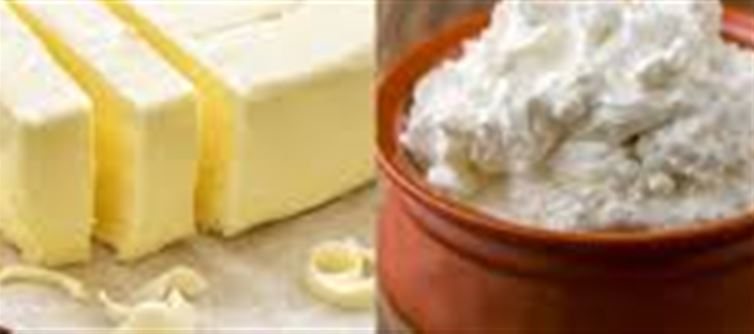
Milk itself appears white because the fat is dispersed in tiny droplets, so the pigment doesn’t make the milk look yellow—only when the fat is concentrated (as in butter) does the color show.
2. Milk Fat Concentration
Butter is almost 100% milk fat, so any pigments in the fat become very noticeable.
Whole milk contains fat too, but it’s much less concentrated, so milk usually looks white.
3. Seasonal Variation
Butter made in spring and summer, when cows graze on fresh grass, tends to be more yellow.
In winter, when cows are fed dry hay or grains, butter can be paler or almost white.
4. cow Breed and Milk Composition
Some cow breeds naturally produce milk with slightly more fat or more beta-carotene, affecting the intensity of the yellow color in butter.
In short: milk looks white because its fat is dispersed, but butter is concentrated fat, so the yellow pigment from beta-carotene becomes visible.
Disclaimer:
The views and opinions expressed in this article are those of the author and do not necessarily reflect the official policy or position of any agency, organization, employer, or company. All information provided is for general informational purposes only. While every effort has been made to ensure accuracy, we make no representations or warranties of any kind, express or implied, about the completeness, reliability, or suitability of the information contained herein. Readers are advised to verify facts and seek professional advice where necessary. Any reliance placed on such information is strictly at the reader’s own risk.
.jpg)
 click and follow Indiaherald WhatsApp channel