
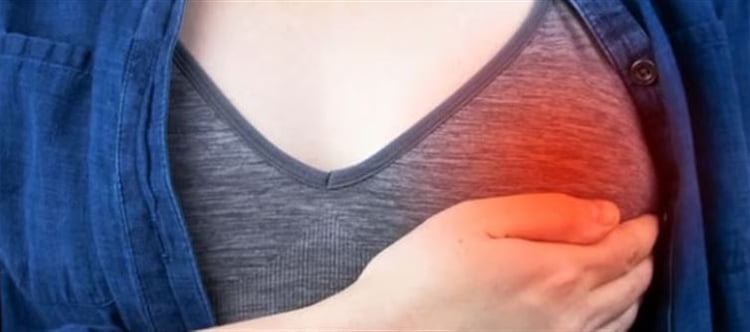


Breast Cancer: More than 80% of breast lumps are non-cancerous. Find out what the study says.
Non-Cancerous Breast Lumps: When women feel a lump in their breast, the first thought that comes to mind is cancer, which is natural. However, it's important to note that not all lumps are cancerous. Let's explore this in detail in this article.
Breast Self-Examination Guide: When women often feel a lump in their breast, the first thought that comes to mind is breast cancer. This fear is natural, but according to a study, approximately 80 to 85 percent of breast lumps are non-cancerous.
Causes of Fibrocystic Changes and Cysts
The most common cause of breast lumps is fibrocystic change, which affects approximately 50-60% of women. This is not a disease, but rather a reaction of the body to hormonal changes. Hormonal fluctuations during ovulation cause the formation of small, fluid-filled cysts or fibrous lumps. These lumps may often feel tender or painful before menstruation, but they are completely non-cancerous.
This means that not every lump is cancer. Any lump formed by the body's cells can technically be called a "tumor," but most are simply abnormal tissue growths or fluid-filled sacs.
According to health experts, instead of panicking, it's important to understand the symptoms of lumps and seek timely medical attention, as early detection is the key to safety. Let's explore these in this article and also learn how to identify a cancerous lump.
A Common Problem in Young Women
Fibroadenomas are most common in women between the ages of 18 and 35. They are also called "breast mice" because they move around like rubber under the skin when touched. These solid lumps are made of glandular and fibrous tissue. Although they are painless, they can sometimes grow in size. Fortunately, the risk of cancer from fibroadenomas is negligible and they can remain untreated without any major treatment.
How to Identify a Cancerous Lumps
While most lumps are benign, identifying cancerous ones can be life-saving. Cancerous lumps are usually very hard, firm (fixed in one place), and painless. Furthermore, if symptoms such as a change in nipple shape, bloody discharge, or dimpling of the skin occur, this could be a red flag. Research suggests that 50% of cancerous lumps are found in the upper outer part of the breast, which is located near the armpit.
The Role of Biopsy and Regular Checkups
The most accurate way to determine the nature of a lump is through a biopsy. Doctors often recommend a biopsy after an ultrasound or mammogram to ensure that the cells are not malignant. Keep in mind that 80% of biopsy results also reveal a lump to be benign. Instead of panicking, perform a monthly self-breast exam and consult a doctor immediately if you notice any changes. Being aware is the most powerful way to avoid any potential danger.
Disclaimer:
The information contained in this article is for general informational purposes only. While we strive to ensure accuracy, we make no warranties or representations of any kind, express or implied, about the completeness, accuracy, reliability, suitability, or availability of the content. Any reliance you place on the information is strictly at your own risk. The views, opinions, or claims expressed in this article are those of the author and do not necessarily reflect the official policy or position of any organization mentioned. We disclaim any liability for any loss or damage arising directly or indirectly from the use of this article.
 click and follow Indiaherald WhatsApp channel