


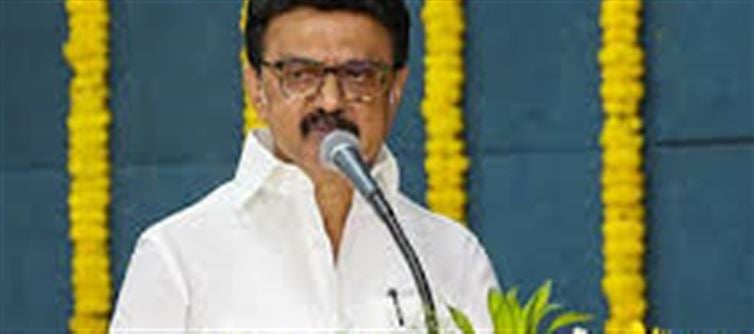

Chennai: In a significant move to strengthen governance and better address the developmental needs of the state, tamil Nadu chief minister M. K. Stalin held a series of one-on-one meetings with the administrative heads of the Kalasapakkam, Arakkonam, and Sholinghur constituencies. The meetings were aimed at discussing regional development, addressing pressing local issues, and ensuring the effective implementation of government schemes.
These constituencies, which lie in different regions of tamil Nadu, have diverse developmental requirements. The Chief Minister's direct interaction with the administrative officials marks a step towards a more responsive and localized approach to governance. Each of these constituencies has unique challenges ranging from infrastructure deficits to issues related to public welfare and education. Therefore, these meetings were seen as a crucial step in ensuring that local issues are being prioritized and addressed swiftly by the respective district officials.
Key Areas of Discussion:
Infrastructure Development:
In Kalasapakkam, officials highlighted the need for better roads, improved sanitation, and the development of public transportation to enhance connectivity in rural areas.
Arakkonam, with its growing industrial and residential sectors, discussed the importance of upgrading water supply systems and solid waste management.
Sholinghur, known for its rich agricultural land, emphasized improvements in irrigation facilities and support for farmers through modern agricultural techniques.
Education and Health:
Across the three constituencies, education and healthcare were significant topics of concern. The chief minister was briefed on the need for better educational infrastructure, especially in remote villages, and the strengthening of primary healthcare centers to provide accessible and quality healthcare to all citizens.
Welfare Schemes:
The officials discussed the need for better implementation of state welfare schemes, including free rice distribution, pension schemes, and women empowerment programs. Ensuring that these benefits reach the marginalized sections of society was emphasized.
Chief Minister’s Direction:
During the meetings, chief minister stalin stressed the importance of effective administration at the grassroots level and emphasized the role of local leaders and administrators in ensuring that government schemes are implemented efficiently. He urged the officials to closely monitor the progress of ongoing projects and address grievances at the earliest.
Furthermore, he also encouraged officials to collaborate with local community leaders to boost participation in government programs and to ensure the equitable distribution of resources.
Conclusion: A Move Towards Stronger local Governance
This one-on-one meeting initiative by chief minister stalin reflects his commitment to ensuring that the state's development reaches every corner, particularly the rural and underserved areas. The Chief Minister’s direct engagement with local administrators is part of his larger strategy to decentralize governance and make it more responsive to the people’s needs.
By addressing local concerns, especially those affecting basic infrastructure, health, and education, the chief minister aims to ensure a holistic and sustainable development model that benefits all citizens of tamil Nadu.
This meeting signals a move towards a more people-centric approach in governance, focusing on long-term solutions rather than short-term fixes.
Disclaimer:
The views and opinions expressed in this article are those of the author and do not necessarily reflect the official policy or position of any agency, organization, employer, or company. All information provided is for general informational purposes only. While every effort has been made to ensure accuracy, we make no representations or warranties of any kind, express or implied, about the completeness, reliability, or suitability of the information contained herein. Readers are advised to verify facts and seek professional advice where necessary. Any reliance placed on such information is strictly at the reader’s own risk.
 click and follow Indiaherald WhatsApp channel