


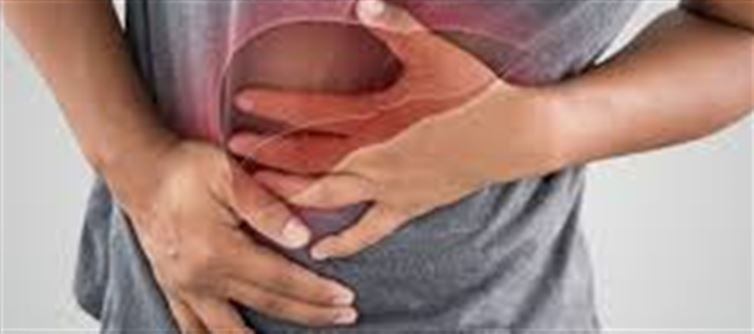

The liver is one of the most vital organs in the body, playing a key role in detoxifying harmful substances, producing proteins, and aiding in digestion. Despite its resilience, the liver can only withstand so much stress from our daily habits. A poor lifestyle, unhealthy eating, and toxic habits can damage the liver over time, leading to serious conditions like fatty liver disease, hepatitis, and even liver failure.
Interestingly, some of the most common mistakes people make occur first thing in the morning, and these habits can gradually take a toll on liver health. In this article, we’ll look at simple corrections you can make to prevent liver damage and promote optimal liver function.
1. Skipping Breakfast: The Worst Mistake for Your Liver
Why It’s Bad:
Skipping breakfast is one of the most common mistakes people make in the morning. While it may seem like a time-saving habit, it can have serious consequences for your liver. When you skip breakfast, your body has to work harder to regulate blood sugar levels, which can put unnecessary strain on your liver. The liver plays a crucial role in storing glucose and releasing it into the bloodstream as needed, but fasting for long periods can disrupt this process.
The Correct Way:
Start your day with a healthy breakfast that includes a mix of complex carbohydrates, lean proteins, and healthy fats. Some great liver-friendly breakfast options include:
· Oatmeal with nuts and seeds
· Avocado toast on whole-grain bread
· Smoothies with leafy greens and protein (e.g., chia seeds, flaxseeds)
· Greek yogurt with berries and almonds
Eating regularly in the morning helps balance blood sugar and reduce strain on the liver, allowing it to function at its best.
2. Drinking coffee or Tea First Thing (Without Water)
Why It’s Bad:
Many people reach for a cup of coffee or tea as soon as they wake up, but doing so without drinking water first can be detrimental to your liver’s health. After hours of sleep, your body is dehydrated, and consuming caffeinated beverages without first replenishing water can cause dehydration. The liver needs water to efficiently process and remove toxins, and dehydration impairs this process.
The Correct Way:
Always start your morning with a glass of water—preferably warm water with a squeeze of lemon. This helps to rehydrate the body, flush out toxins, and stimulate liver function. After hydrating, you can enjoy your cup of coffee or tea.
3. Consuming Too Much sugar or Processed Foods in the Morning
Why It’s Bad:
Many people opt for sugary cereals, pastries, or processed foods in the morning, thinking they provide a quick energy boost. However, these foods are high in refined sugars and unhealthy fats, which can contribute to fatty liver disease. Excess sugar, especially fructose, is metabolized by the liver and can lead to the buildup of fatty deposits in liver cells.
The Correct Way:
Focus on a breakfast that is rich in fiber, whole grains, and antioxidants, and avoid processed sugars. Incorporating whole fruits like berries, apples, or oranges can provide natural sweetness without the negative effects of processed sugars. Nuts, seeds, and green vegetables are also great for providing long-lasting energy and supporting liver function.
4. Not Getting Enough Sleep
Why It’s Bad:
Poor sleep can seriously affect liver health. The liver does much of its detoxification work while you sleep, so inadequate or disturbed sleep can interfere with its ability to properly flush out toxins. Chronic sleep deprivation can also lead to fatty liver disease, and it can disrupt the body's balance of hormones, including those responsible for regulating metabolism and appetite.
The Correct Way:
Prioritize getting 7–9 hours of quality sleep each night. To improve your sleep quality, maintain a consistent sleep schedule, avoid blue light from screens before bedtime, and create a relaxing environment. Sleep helps restore liver function and supports the natural detoxification process.
5. Overloading on salt or Processed Foods
Why It’s Bad:
Many processed foods—such as instant noodles, canned soups, and frozen meals—contain high amounts of sodium, which can contribute to high blood pressure and liver damage over time. High salt intake forces the liver to work harder to filter toxins and can lead to fluid retention, which puts stress on your liver and kidneys.
The Correct Way:
Avoid processed and high-sodium foods in the morning. Instead, opt for fresh, whole foods that are naturally low in salt. Season your meals with herbs and spices like turmeric, ginger, and garlic, which are also anti-inflammatory and beneficial for liver health. Preparing your own breakfast allows you to control the amount of salt you consume.
6. Not Exercising or Moving in the Morning
Why It’s Bad:
Leading a sedentary lifestyle can contribute to the development of fatty liver disease, especially if combined with poor eating habits. The liver stores excess fat when the body is not active, which can lead to insulin resistance and liver dysfunction.
The Correct Way:
Incorporate light physical activity into your morning routine. Whether it’s stretching, yoga, a morning walk, or light cardio, moving your body in the morning helps kickstart your metabolism, support digestion, and reduce liver fat. Exercise increases blood circulation, helping the liver function better by transporting nutrients and oxygen to cells.
7. Overuse of Painkillers or Alcohol
Why It’s Bad:
Many people take over-the-counter painkillers (like acetaminophen) in the morning for headaches or minor aches, without realizing that excessive use of such medications can severely damage the liver. Alcohol is also a major culprit in liver damage, especially when consumed regularly in large amounts. Overuse of these substances leads to liver inflammation and cirrhosis over time.
The Correct Way:
· Limit painkiller use to what’s necessary and follow dosing instructions carefully. Opt for natural remedies when possible, such as herbal teas (e.g., ginger or peppermint) for headaches or aromatherapy for muscle pain.
· Avoid alcohol or keep consumption to moderate levels. The liver needs time to process alcohol, and excessive intake can lead to liver fatty deposits and cirrhosis.
8. Ignoring Liver-Cleansing Foods
Why It’s Bad:
Certain foods can help support liver health and assist in detoxification, but many people don’t incorporate them into their daily routines. These foods are rich in antioxidants, vitamins, and minerals that promote liver function and detoxification. Neglecting to eat these can slow down liver processes and contribute to damage over time.
The Correct Way:
Add liver-friendly foods to your breakfast for a natural detox boost. Some great options include:
· Leafy greens like spinach, kale, and arugula—packed with chlorophyll that supports detox.
· Beets and carrots—rich in beta-carotene and antioxidants, which help liver cleansing.
· Lemon and lime—these citrus fruits help the liver produce bile, aiding in detoxification.
Conclusion: Small Morning Adjustments for a Healthier Liver
The liver is a hardworking organ that plays a major role in detoxification, digestion, and overall health. However, poor habits, especially in the morning, can damage this vital organ over time. By making small changes to your morning routine—like eating a nutritious breakfast, hydrating with water, cutting down on processed foods, and incorporating liver-supporting foods—you can give your liver the care it needs to function properly.
Remember: prevention is key. Taking care of your liver today can prevent serious health issues in the future. Start making small corrections to your morning habits, and you’ll notice improvements not just in your liver health but in your overall well-being.
Disclaimer:
The views and opinions expressed in this article are those of the author and do not necessarily reflect the official policy or position of any agency, organization, employer, or company. All information provided is for general informational purposes only. While every effort has been made to ensure accuracy, we make no representations or warranties of any kind, express or implied, about the completeness, reliability, or suitability of the information contained herein. Readers are advised to verify facts and seek professional advice where necessary. Any reliance placed on such information is strictly at the reader’s own risk.
 click and follow Indiaherald WhatsApp channel