


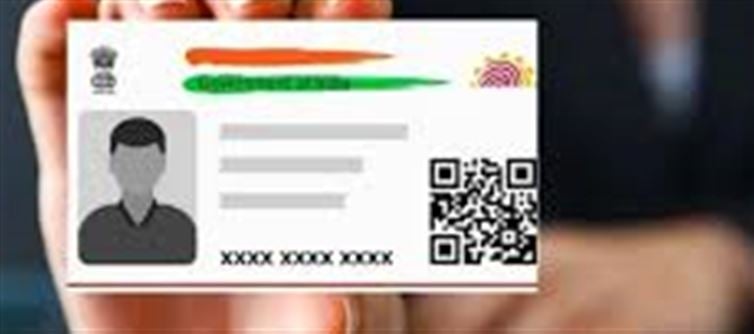

The Aadhaar card is one of the most important identity documents for indian citizens. It is linked to bank accounts, mobile numbers, and government services, making it a prime target for fraudsters. The Unique Identification Authority of india (UIDAI) advises citizens to take certain precautions to protect their Aadhaar details.
1. Do Not Share Your Aadhaar OTP or OTP-Based e-KYC
· Fraudsters may ask for OTP sent to your registered mobile number under the guise of verification.
· Never share the one-time password (OTP) with anyone, even if they claim to be from a government agency.
2. Avoid Giving Aadhaar Details Over phone or Email
· uidai or banks will never ask for your Aadhaar number over calls or emails.
· Be cautious of unknown calls, SMS, or emails requesting Aadhaar information.
3. Keep Your Aadhaar Card Safe
· Avoid carrying the physical card unnecessarily.
· Store it in a safe place and use digital Aadhaar (mAadhaar app) for online verification.
4. Regularly Check Your Aadhaar Linked Services
· Monitor bank accounts, mobile number links, and government service usage.
· Any unauthorized activity could indicate Aadhaar misuse.
5. Lock or Mask Your Aadhaar When Not Needed
· uidai allows you to lock your Aadhaar number, making it unusable for authentication until you unlock it.
· You can also use masked Aadhaar, which hides the first 8 digits, for safer online use.
Additional Safety Tips
· Only use official uidai portals or apps for Aadhaar updates and services.
· Update your mobile number linked with Aadhaar to receive OTP securely.
· Be cautious of third-party websites claiming Aadhaar benefits.
Conclusion:
Aadhaar fraud can cause serious financial and identity-related problems. By following these five precautions—never sharing OTP, avoiding unsolicited calls, keeping your card safe, monitoring linked services, and using lock/mask features—you can protect your Aadhaar and reduce the risk of fraud.
Disclaimer:
The views and opinions expressed in this article are those of the author and do not necessarily reflect the official policy or position of any agency, organization, employer, or company. All information provided is for general informational purposes only. While every effort has been made to ensure accuracy, we make no representations or warranties of any kind, express or implied, about the completeness, reliability, or suitability of the information contained herein. Readers are advised to verify facts and seek professional advice where necessary. Any reliance placed on such information is strictly at the reader’s own risk.
 click and follow Indiaherald WhatsApp channel