
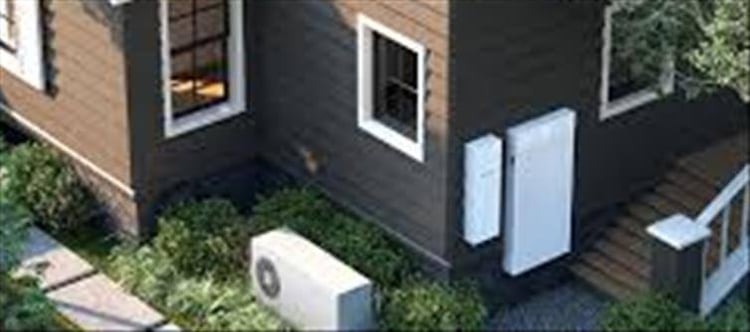


Nvidia is reportedly exploring a bold new idea: turning homes and small buildings into “mini AI data centers” by using unused electrical capacity to run AI computing workloads.
This shift could change how AI infrastructure is built—moving from giant centralized data centers to a distributed “every-home compute network.”
🧠 What Is the Idea?
Instead of relying only on massive data centers, Nvidia is testing a model where:
🏠 Homes get compact AI computing units
⚡ These units use “unused” electricity capacity in houses
🌐 Multiple homes are connected to form a distributed AI network
👉 Think of it like: your home becoming part of a mini cloud computing system.
🤝 Who Is Involved?
The project is reportedly being developed with:
Nvidia (AI chips and infrastructure)
Span (smart electrical panel company)
PulteGroup (homebuilder)
These partners are testing systems that install GPU-powered compute nodes directly in residential setups.
⚙️ How It Works
Each home may include:
🔌 Smart electrical panels (to monitor unused power)
🖥️ mini GPU servers (for AI workloads)
🔋 Optional battery/solar support
🌐 Internet connection to AI cloud network
Some prototypes reportedly use high-end Nvidia RTX/Blackwell GPUs inside home nodes.
📊 Why Nvidia Is Doing This
⚡ 1. AI Needs Huge Computing Power
Demand for AI is exploding
Traditional data centers are running at capacity limits
🏗️ 2. Data Centers Are Expensive & Slow to Build
Land, power, and cooling take years
Grid electricity is becoming a bottleneck
🏠 3. Use “Idle” home Power
Many homes have unused electrical capacity
That unused power could run lightweight AI tasks
🌍 Big Idea: “Distributed AI Cloud”
Instead of one big building, AI computing becomes:
🏠 Thousands of small home nodes
🌐 Connected like a cloud network
⚙️ Coordinated by Nvidia software
👉 This is similar in concept to edge computing, but on a much larger scale.
⚠️ Concerns & Challenges
🔥 1. Heat & Noise
GPUs generate heat
Homes may need extra cooling systems
💸 2. electricity Bills
Who pays for power usage?
Will homeowners benefit enough financially?
🔐 3. Security Risks
High-value hardware in homes
Risk of theft or misuse
⚡ 4. Grid Stability
If widely adopted, could stress local electricity networks
🧠 Why This Matters
This idea shows a major shift in AI infrastructure:
From centralized mega data centers
To distributed “AI everywhere” computing
It could also make AI processing:
Faster (closer to users)
More scalable
Less dependent on huge single facilities
✨ Conclusion
Nvidia’s home-based mini data center concept aims to turn unused household electricity into AI computing power using distributed GPU nodes. While still experimental, it reflects a future where AI infrastructure may not be limited to massive server farms—but spread across homes themselves.
Disclaimer:
The views and opinions expressed in this article are those of the author and do not necessarily reflect the official policy or position of any agency, organization, employer, or company. All information provided is for general informational purposes only. While every effort has been made to ensure accuracy, we make no representations or warranties of any kind, express or implied, about the completeness, reliability, or suitability of the information contained herein. Readers are advised to verify facts and seek professional advice where necessary. Any reliance placed on such information is strictly at the reader’s own risk.
 click and follow Indiaherald WhatsApp channel