


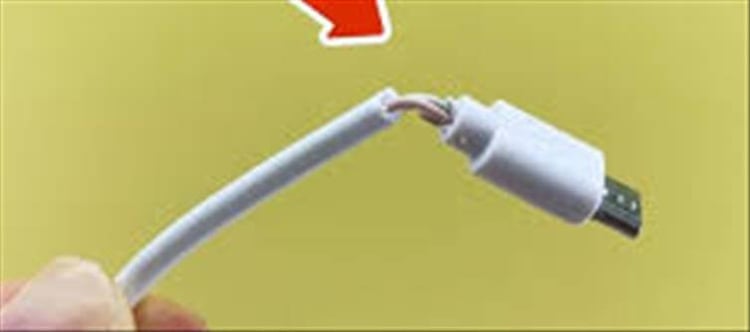

Charging cables are one of the most commonly used accessories in daily life. Whether it’s for smartphones, laptops, tablets, or wireless earbuds, we rely heavily on charging cables every day. However, many people face the same frustrating problem — charging cables stop working or break too quickly.
In most cases, cables do not fail suddenly. Regular bending, improper handling, overheating, and poor storage slowly damage the internal wires. The good news is that with a few simple habits and preventive measures, you can significantly increase the life of your charging cable.
In this article, we’ll explore why charging cables break, how to fix common issues, and the best tips to keep them lasting longer.
Why Do Charging Cables Break So Often?
Charging cables may look simple from the outside, but inside they contain delicate wires responsible for power transfer and data communication.
Common Reasons for Cable Damage
1. Excessive Bending
Repeated bending near the connector weakens the internal wiring.
This usually happens:
Near the charging tip
Around the USB connector
During phone use while charging
Over time, the wires inside may crack or disconnect.
2. Pulling the Cable Incorrectly
Many people unplug chargers by pulling the cable instead of gripping the connector head.
This creates stress on:
Internal solder joints
Connector pins
Cable insulation
Eventually, the cable may stop charging properly.
3. Cheap or Low-Quality Cables
Low-cost charging cables often use:
Thin wires
Weak insulation
Poor connectors
Such cables wear out much faster compared to certified or branded cables.
4. Twisting and Tangling
Tightly wrapping cables or stuffing them into bags can damage internal wiring.
Frequent twisting may cause:
Fractures in copper wires
Loose connections
Charging interruptions
5. Heat and Moisture
Excessive heat can weaken cable materials and affect charging performance.
Using chargers:
Under pillows
In direct sunlight
Near water or moisture
can reduce cable lifespan.
Signs Your Charging Cable Is Failing
Slow Charging
If your device suddenly charges slowly, the cable may be damaged internally.
Intermittent Charging
Charging starts and stops when the cable moves.
This usually indicates:
Loose internal wires
Connector damage
Frayed Outer Covering
Visible cracks or exposed wires are clear warning signs.
Using damaged cables can become unsafe.
Device Not Detecting the Charger
Sometimes the phone may:
Disconnect repeatedly
Show “Accessory not supported”
Fail to charge entirely
How to Fix Minor Charging Cable Problems
1. Protect Frayed Areas With Heat Shrink Tubing
Heat shrink tubing helps reinforce weak cable sections.
Steps:
Slide tubing over damaged area
Apply gentle heat
Tubing tightens around cable
This provides extra protection and prevents further tearing.
2. Use Electrical Tape Temporarily
Electrical tape can temporarily cover small cracks or exposed insulation.
However:
It is not a permanent solution
Severely damaged cables should be replaced
3. Clean the Connectors
Dust and debris inside connectors can interrupt charging.
Cleaning Tips:
Use a soft brush
Use compressed air carefully
Avoid metal objects
Dirty connectors often mimic cable failure.
4. Check the Adapter and Charging Port
Sometimes the problem is not the cable.
Inspect:
Charging adapter
Phone charging port
Power outlet
Testing with another cable helps identify the actual issue.
Best Tips to Prevent Charging Cable Damage
1. Avoid Bending Near the Connector
The connector area is the most vulnerable section.
Try to:
Keep cables straight during use
Avoid sharp bends
Use longer cables if needed
2. Unplug Correctly
Always hold the connector head while unplugging.
Never pull directly on the wire.
3. Use Cable Protectors
Cable protectors reinforce stress points near connectors.
They help reduce:
Bending damage
Fraying
Wire breakage
4. Store Cables Properly
Instead of tightly wrapping cables:
Use loose loops
Store in cable organizers
Keep them untangled
Proper storage extends durability.
5. Avoid Using the phone Excessively While Charging
Heavy movement during charging strains the cable.
This is especially harmful when:
Gaming
Watching videos
Using the phone in bed
6. Buy Certified or Branded Cables
Certified cables generally provide:
Better safety
Faster charging
Longer lifespan
Cheap cables may damage both the charger and device battery.
Popular reliable brands include:
Anker
Belkin
Samsung
Apple
Should You Repair or Replace a Broken Cable?
Repair the Cable If:
Damage is minor
Only outer insulation is affected
Charging still works normally
Replace the Cable If:
Wires are exposed
Charging overheats
Connection constantly disconnects
Burning smell appears
Damaged cables can become safety hazards.
Dangers of Using a Damaged Charging Cable
Using faulty cables may lead to:
Electric shock risk
Overheating
Device battery damage
Slow charging
Fire hazards in severe cases
Always prioritize safety over temporary fixes.
How to Make Charging Cables Last Longer
Simple Daily Habits:
Keep cables away from pets
Avoid stepping on cables
Do not sleep with devices under pillows while charging
Keep cables dry and cool
Small habits can significantly increase cable lifespan.
Are Braided Cables Better?
Braided charging cables are becoming increasingly popular.
Advantages:
More durable
Better resistance to bending
Reduced tangling
They often last longer than standard rubber-coated cables.
Wireless Charging: An Alternative Solution?
Wireless charging reduces physical cable stress because cables remain stationary.
However:
Wireless charging may be slower
Heat generation can still occur
A cable is still needed for the charging pad
It reduces wear on phone charging ports but does not completely eliminate cable usage.
Future of Charging Technology
Charging technology continues to improve with:
USB-C standardization
Magnetic connectors
Faster charging systems
Stronger cable materials
Future cables are expected to become more durable and efficient.
Conclusion
Charging cables break mainly because of improper handling, excessive bending, and low-quality materials. Fortunately, simple preventive habits such as careful unplugging, proper storage, and using cable protectors can dramatically improve cable durability.
While temporary fixes may help in minor cases, severely damaged cables should always be replaced to avoid safety risks. Investing in good-quality charging accessories and maintaining them properly can save money, improve charging performance, and keep your devices safe in the long run.
Disclaimer:
The views and opinions expressed in this article are those of the author and do not necessarily reflect the official policy or position of any agency, organization, employer, or company. All information provided is for general informational purposes only. While every effort has been made to ensure accuracy, we make no representations or warranties of any kind, express or implied, about the completeness, reliability, or suitability of the information contained herein. Readers are advised to verify facts and seek professional advice where necessary. Any reliance placed on such information is strictly at the reader’s own risk.
 click and follow Indiaherald WhatsApp channel