


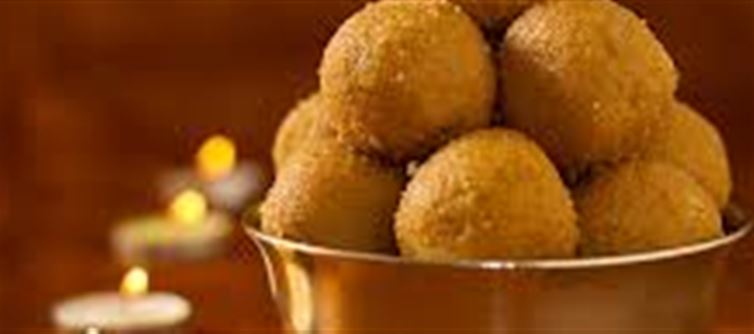

Besan Laddu is a classic indian sweet made primarily from chickpea flour (besan), ghee (clarified butter), and sugar. It is especially popular during festivals like Diwali, Holi, and Sankranti. The sweet is fragrant, nutty, and has a melt-in-the-mouth texture, making it a favorite in many indian households.
Here's a step-by-step guide to making this delicious and aromatic treat at home!
Ingredients:
· Chickpea flour (besan) – 2 cups
· Ghee (clarified butter) – 1 cup (can adjust based on preference)
· Sugar – 1 cup (you can adjust the sweetness according to taste)
· Cardamom powder – 1/2 teaspoon
· Chopped cashews – 2 tablespoons (optional, for garnishing)
· Chopped almonds – 2 tablespoons (optional)
· Raisins – 2 tablespoons (optional)
· Saffron strands – A few (optional, for fragrance and color)
Step-by-Step Instructions:
1. Prepare the Ghee:
· In a non-stick pan, melt 1 cup of ghee on low-medium heat. You can use homemade ghee for a richer flavor. The amount of ghee is crucial because it helps the besan cook evenly and gives the laddu a smooth texture.
2. Roasting the Besan:
· Once the ghee is melted, add 2 cups of besan (chickpea flour) to the pan. Roast the besan on low to medium heat, stirring continuously to avoid burning.
· Roast until aromatic: This process will take around 12-15 minutes. You’ll know it’s done when the besan turns a slightly golden brown and releases a nutty aroma. Be patient, as under-roasting can leave the laddus with a raw taste.
· Tip: Stir the mixture constantly to ensure even roasting. If the besan starts sticking to the pan, you can add a little more ghee to help it roast evenly.
3. Add sugar and Aromatics:
· Add sugar: Once the besan is roasted well and golden, add 1 cup of sugar to the mixture.
· Add water (optional): To help dissolve the sugar, you can add 1/4 cup of water. This will ensure the sugar dissolves quickly and integrates well into the roasted besan.
· Stir the mixture: Keep stirring the mixture until the sugar dissolves completely. The mixture will become a little liquidy at this point. Continue cooking on low heat for a few minutes.
4. Flavoring the Laddus:
· Once the sugar is dissolved, add 1/2 teaspoon of cardamom powder for a warm, aromatic flavor. You can also add saffron strands for color and fragrance at this point (optional).
· Stir the mixture well, ensuring that the cardamom and saffron are well blended into the mixture.
5. Cook Until ghee Separates:
· Continue to cook the mixture until ghee begins to separate from the besan. The mixture will start coming together and forming a soft, thick dough.
· Tip: The consistency should be such that when you press the mixture with a spatula, it should leave the sides of the pan clean. The dough will become thick but should still be soft and not too hard.
6. Let the Mixture Cool Slightly:
· Once the ghee has separated and the mixture has thickened, remove it from the heat and let it cool for about 5-10 minutes. The mixture should still be warm but cool enough to handle when shaping the laddus.
7. Shape the Laddus:
· Grease your hands lightly with ghee and begin shaping the warm mixture into small, round balls (laddus). You can make them bite-sized or slightly larger based on preference.
· Garnish (optional): Once shaped, you can garnish the laddus with a whole cashew, almond, or raisin on top for an added touch of elegance and flavor.
8. Let the Laddus Set:
· Allow the Besan Laddus to cool completely at room temperature. They will firm up as they cool, but will still have a soft texture inside.
Serving and Storing:
· Serve: Once cooled, serve these delicious Besan Laddus during festivals, special occasions, or simply as an afternoon treat with tea.
· Storage: Store the laddus in an airtight container at room temperature. They should stay fresh for about 7-10 days. You can also refrigerate them for longer shelf life.
Tips for Perfect Besan Laddus:
1. Roast the besan properly: This is the key to achieving the right flavor and texture. Don’t rush the roasting process—be patient and roast the besan on low to medium heat until it becomes golden and aromatic.
2. Adjust sugar and ghee: You can adjust the sugar level to suit your preference. If you like your laddus a little less sweet, you can reduce the sugar quantity. Similarly, adjust the ghee according to the texture you prefer. The more ghee, the softer the laddus.
3. Stir constantly: The besan can burn easily, so make sure to stir it constantly while roasting. Also, keep stirring the mixture after adding sugar to ensure it does not stick to the pan.
4. Add nuts for extra crunch: You can add chopped cashews, almonds, or even pistachios to the mixture for extra texture. These can also be used as garnishes.
Conclusion:
Besan Laddu is a rich, flavorful, and healthy treat made with simple ingredients. With a crispy exterior and soft, melt-in-the-mouth texture, these laddus are sure to be a hit at your Diwali or any festive table. The blend of roasted besan, ghee, and sugar creates a delicately sweet and nutty flavor that everyone will love. Happy cooking and enjoy your homemade Besan Laddus!
Disclaimer:
The views and opinions expressed in this article are those of the author and do not necessarily reflect the official policy or position of any agency, organization, employer, or company. All information provided is for general informational purposes only. While every effort has been made to ensure accuracy, we make no representations or warranties of any kind, express or implied, about the completeness, reliability, or suitability of the information contained herein. Readers are advised to verify facts and seek professional advice where necessary. Any reliance placed on such information is strictly at the reader’s own risk.
c
 click and follow Indiaherald WhatsApp channel