


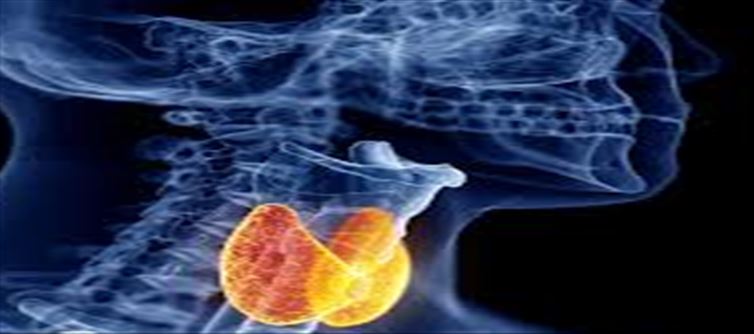

Thyroid disorders are various disorders of the thyroid, a small, butterfly-shaped gland at the front of the neck. The thyroid plays a key role in regulating various bodily functions, including metabolism, growth, and development. Symptoms of hypothyroidism can include fatigue, weight gain, depression, intolerance to cold, and dry skin.
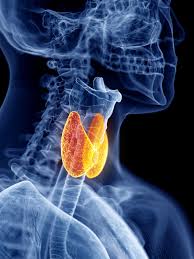
Treatment is usually with hormone replacement therapy. On the other hand, hyperthyroidism is a condition characterized by excessive production of thyroid hormones. Symptoms can include weight loss, rapid heartbeat, restlessness, irritability, and intolerance to heat.
Another thyroid condition is thyroid nodules, which are abnormal growths or masses in the thyroid gland. Thyroid nodules are usually detected by imaging tests and are often monitored or biopsied for further evaluation. Autoimmune thyroid disorders such as Hashimoto's disease and Graves' disease are also common thyroid disorders.
Hashimoto's disease leads to hypothyroidism while Graves' disease leads to hyperthyroidism. These disorders occur when the immune system accidentally attacks the thyroid. Treatment for an autoimmune thyroid disorder often includes medications to relieve symptoms and regulate hormone levels.
Overall, thyroid disease can significantly affect a person's health and well-being. Timely diagnosis, appropriate medical treatment, and regular monitoring are essential to successfully treat thyroid disease and ensure optimal thyroid function. If you think you have a thyroid problem, it's important to see a doctor for proper evaluation and advice.
 click and follow Indiaherald WhatsApp channel