


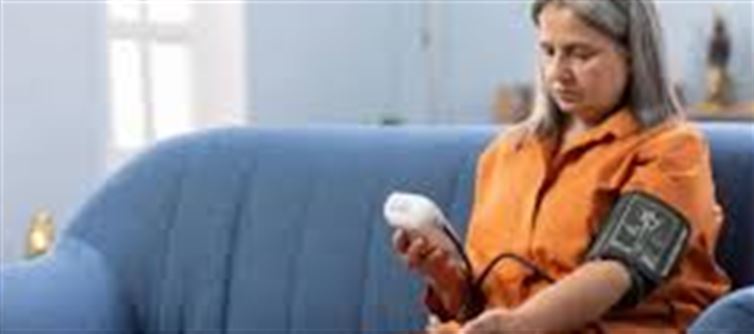

Many people notice high blood pressure readings in the morning, often accompanied by dizziness, dull headaches, or general weakness. Understanding why this happens and how to manage it can help prevent cardiovascular risks.
🔹 Why blood pressure Peaks in the Morning
1. Natural Circadian Rhythm
o blood pressure follows a daily cycle, rising in the morning as your body prepares to wake up and be active.
o This surge is caused by hormones like cortisol and adrenaline, which increase heart rate and blood vessel constriction.
2. Medication Timing
o If you take blood pressure medication at night or inconsistently, morning readings may spike before the drug reaches full effect.
3. Lifestyle Factors
o Poor sleep, stress, alcohol, or high salt intake the previous day can amplify morning blood pressure peaks.
o Sleep apnea or disturbed sleep can also contribute to elevated morning readings.
4. Underlying Conditions
o people with hypertension, diabetes, or kidney problems may experience stronger morning spikes.
🔹 How to Manage Morning Blood Pressure
1. Consistent Medication Schedule
o Take medications exactly as prescribed; some may require evening dosing for better morning control.
2. Monitor Regularly
o Use a home blood pressure monitor to track trends and discuss readings with your doctor.
3. Lifestyle Modifications
o Reduce salt intake and avoid alcohol at night.
o Practice stress reduction techniques like meditation or deep breathing.
o Maintain healthy sleep patterns—7–8 hours nightly.
4. Morning Routine Adjustments
o Get up slowly from bed to avoid dizziness.
o Drink water before breakfast to aid circulation.
o Include light stretching or walking to gently raise heart rate without overloading the cardiovascular system.
📌 Key Takeaways
· Morning blood pressure peaks are common due to natural body rhythms, but can be worsened by lifestyle or medical factors.
· Monitoring, proper medication timing, and healthy habits are key to managing these spikes.
· Persistent high morning readings should be discussed with a doctor, as they may increase the risk of stroke, heart attack, or other complications.
Disclaimer:
The views and opinions expressed in this article are those of the author and do not necessarily reflect the official policy or position of any agency, organization, employer, or company. All information provided is for general informational purposes only. While every effort has been made to ensure accuracy, we make no representations or warranties of any kind, express or implied, about the completeness, reliability, or suitability of the information contained herein. Readers are advised to verify facts and seek professional advice where necessary. Any reliance placed on such information is strictly at the reader’s own risk..jpg)
 click and follow Indiaherald WhatsApp channel