


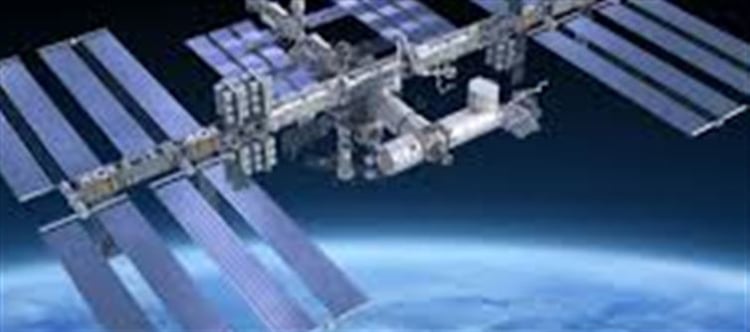

India is taking a giant leap in space exploration. The ambitious plan to build a Bharat Space Station is moving forward, marking a new era for the country’s space program. Here’s what you need to know in a simple, listicle format.
1. What Is the Bharat Space Station?
- India’s first indigenous space station planned for low Earth orbit.
- Will serve as a platform for scientific experiments, technology demonstration, and international collaboration.
- Aims to boost India’s human spaceflight capabilities following the Gaganyaan mission.
2. Where Are We Now?
- The indian space research organisation (ISRO) is in the advanced planning and design stage.
- Experiments with human-rated spacecraft, life support systems, and docking mechanisms are ongoing.
- Expected launch window: late 2020s or early 2030s, depending on mission readiness.
3. Key Features of Bharat Space Station
- Crew Capacity: Designed to host 3 astronauts at a time.
- Duration: Crew missions could last 15–30 days initially, with expansion in the future.
- Research Lab: Facilities for microgravity experiments, materials science, and biological studies.
- Docking Port: Will allow future spacecraft and cargo resupply missions.
4. How It Differs from Other Space Stations
- Unlike the International Space Station (ISS), Bharat Space Station will be smaller, modular, and fully Indian-made.
- Focuses on scientific research and technology demonstration rather than long-term habitation.
- Provides a training ground for indian astronauts for future deep-space missions.
5. Why This Is a Big Deal for India
- Establishes india as a key player in human space exploration.
- Boosts domestic aerospace technology and research capabilities.
- Opens doors for international collaboration in space science.
- Inspires the next generation of scientists, engineers, and astronauts.
6. Timeline and Roadmap
- Gaganyaan Mission (Crewed Flight Test): Before the space station, india is training astronauts and testing life-support systems.
- Prototype Modules: isro plans experimental modules in orbit for testing before full deployment.
- Full Space Station Launch: Expected within the next decade, subject to mission readiness and funding.
7. Opportunities for Scientists & Students
- Microgravity experiments for pharmaceuticals, material science, and biology.
- Training programs for aerospace engineers, astronauts, and mission specialists.
- Potential for collaborative projects with universities and research institutions.
💡 Pro Tip: India’s space station is not just a technological marvel—it’s a symbol of scientific ambition and global prestige. Even students and researchers can look forward to opportunities in space experiments and related technologies.
Disclaimer:
The views and opinions expressed in this article are those of the author and do not necessarily reflect the official policy or position of any agency, organization, employer, or company. All information provided is for general informational purposes only. While every effort has been made to ensure accuracy, we make no representations or warranties of any kind, express or implied, about the completeness, reliability, or suitability of the information contained herein. Readers are advised to verify facts and seek professional advice where necessary. Any reliance placed on such information is strictly at the reader’s own risk.
 click and follow Indiaherald WhatsApp channel