


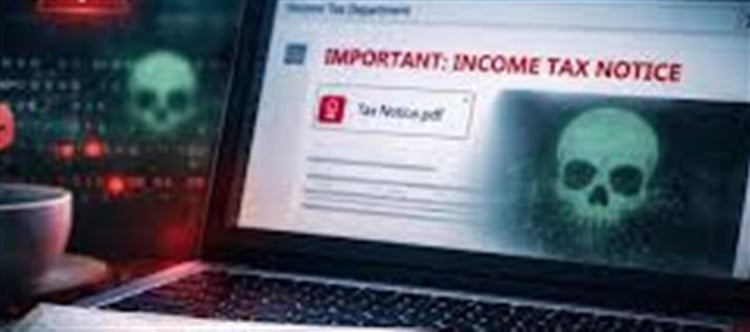

Getting an unexpected email claiming to be from the Income Tax Department can be alarming. Before you panic or click anything, here’s everything you need to know:
1. Not Every Email is Real
The Income Tax Department rarely sends notices directly via email. Most official communications are through physical letters or your official e-Filing account.
2. Check the Sender Carefully
Scammers often use email addresses that look similar to official ones. Check for small differences like extra dots, misspellings, or unusual domains (e.g., .com instead of .gov.in).
3. Beware of Urgent Threats
Scam emails try to pressure you into immediate action—like paying a fine or sharing personal info. Official notices rarely demand instant payment via email.
4. Do NOT Click Suspicious Links
Emails often include malicious links or attachments that can steal your banking info or install malware. Never click links or download attachments from unknown emails.
5. Verify Through Official Channels
Log in to your Income Tax e-Filing account to check for notices. You can also call the official Income Tax helpline to confirm authenticity.
6. Look for red Flags in Language
Scam emails often have spelling mistakes, grammatical errors, or awkward sentences. Official notices are professionally written and precise.
7. Avoid Sharing Personal Details
Never share your PAN, Aadhaar, bank details, or OTPs over email. The Income Tax Department will never ask for such info via email.
8. Report Suspicious Emails
Forward scam emails to [email protected] and delete them. Reporting helps authorities track phishing attempts and protect others.
9. Stay Updated on Scams
Follow official Income Tax updates on www.incometaxindia.gov.in or verified social media handles. Scammers often copy real templates, so staying informed is crucial.
🔥 Bottom Line
Receiving an email that looks like an Income Tax notice doesn’t always mean danger, but caution is key. Verify before you react, avoid clicking unknown links, and always use official channels. Staying alert protects you from costly scams.
Disclaimer:
The views and opinions expressed in this article are those of the author and do not necessarily reflect the official policy or position of any agency, organization, employer, or company. All information provided is for general informational purposes only. While every effort has been made to ensure accuracy, we make no representations or warranties of any kind, express or implied, about the completeness, reliability, or suitability of the information contained herein. Readers are advised to verify facts and seek professional advice where necessary. Any reliance placed on such information is strictly at the reader’s own risk.
 click and follow Indiaherald WhatsApp channel