


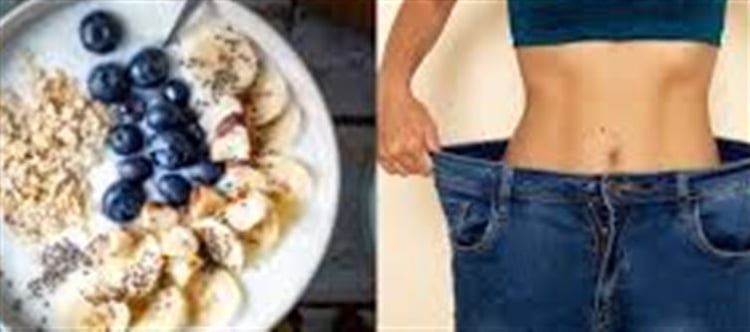

Many people skip breakfast hoping to cut calories and shed pounds faster. But is skipping this meal really helping your weight loss—or secretly sabotaging your health? Nutrition experts reveal why breakfast matters and the best options to fuel your day without overloading calories.
Is Skipping Breakfast Healthy?
Pros of Skipping Breakfast (Intermittent Fasting Style)
Can reduce overall calorie intake for some people.
May improve insulin sensitivity if done correctly.
Cons of Skipping Breakfast
Slows metabolism and may increase hunger later, causing overeating at lunch.
Can lead to energy crashes, poor concentration, and irritability.
May trigger blood sugar spikes, especially in people with prediabetes or diabetes.
Verdict: For most people, a balanced breakfast is more beneficial for sustained energy, weight management, and overall health than skipping the meal.
Top 7 Healthy Breakfast Options for Weight Loss
Oats with fruits & Nuts
High in fiber to keep you full and stabilize blood sugar.
Greek Yogurt with Berries
Protein-rich and supports gut health while reducing hunger.
Vegetable Omelette
Provides protein and essential micronutrients without excess carbs.
Whole-Grain Toast with Avocado
Healthy fats and fiber keep you satisfied until lunch.
Smoothie with Spinach, Banana, and protein Powder
Nutrient-dense and easily digestible.
Chia Seed Pudding
Packed with omega-3s, fiber, and protein; helps curb cravings.
Quinoa Bowl with Nuts and Fruits
Complete protein and slow-digesting carbs for long-lasting energy.
Tips for a Healthy Breakfast
Include protein + fiber to stay full longer.
Limit refined sugars and processed cereals.
Pair with water or herbal tea instead of sugary drinks.
Aim for 5–10 minutes of mindful eating to aid digestion and prevent overeating.
Bottom Line
Skipping breakfast may seem like a shortcut for weight loss, but it can backfire by increasing hunger and slowing metabolism. Choosing nutritious, protein-rich, fiber-filled breakfast options helps control appetite, boost energy, and support sustainable weight loss.
Disclaimer:
The views and opinions expressed in this article are those of the author and do not necessarily reflect the official policy or position of any agency, organization, employer, or company. All information provided is for general informational purposes only. While every effort has been made to ensure accuracy, we make no representations or warranties of any kind, express or implied, about the completeness, reliability, or suitability of the information contained herein. Readers are advised to verify facts and seek professional advice where necessary. Any reliance placed on such information is strictly at the reader’s own risk. click and follow Indiaherald WhatsApp channel