



Introduction
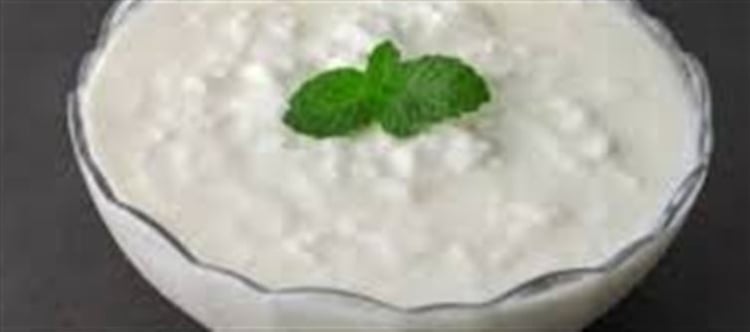
Dahi, or curd, is a staple in many indian diets. Known for its creamy texture and probiotic content, it’s often recommended for improving digestion and gut health. However, there is often confusion about whether it’s suitable to eat in winter. While dahi offers numerous health benefits, consuming it inappropriately or in excess can have certain side effects, especially in colder months.
Benefits of Eating Dahi in Winter
Rich Source of Probiotics
Dahi contains live cultures of beneficial bacteria like Lactobacillus and Bifidobacterium.
These probiotics help maintain gut health, boost immunity, and may prevent gastrointestinal infections, which are common in winter.
Boosts Immunity
Winters often bring cold, flu, and viral infections. Dahi is rich in nutrients like vitamin B12, calcium, and proteins, which strengthen immunity.
Good for Bone Health
Calcium and phosphorus in dahi support strong bones. In winter, when outdoor physical activity may reduce, maintaining bone health is important.
Aids in Digestion
The probiotics in dahi can improve digestion, prevent constipation, and maintain a healthy gut microbiome, which is vital in colder months when metabolism can slow down.
Natural Energy Booster
Dahi is a good source of protein and energy. Eating it in winter can help maintain warmth and vitality, especially when the body burns more calories to stay warm.
Hidden Side Effects of Eating Dahi in Winter
May Increase Phlegm and Cold Symptoms
Ayurveda and some health practitioners suggest that consuming too much cold dahi can aggravate mucus and phlegm production, leading to congestion or cold-like symptoms.
Can Cause Indigestion in Some
For people with weak digestive systems, eating cold or excessive dahi in winter may lead to bloating or gas.
Risk of Hypothermia in Sensitive Individuals
Since dahi is naturally cooling, consuming it in large quantities in extremely cold weather might lower body temperature in sensitive individuals, though this is rare.
May Affect Joint Pain
Some believe that dairy can aggravate joint pain or stiffness during winter in people prone to arthritis, though scientific evidence is limited.
Tips for Eating Dahi in Winter
Consume Warm or Room Temperature Dahi
Avoid eating dahi directly from the fridge. Let it come to room temperature or slightly warm it before consumption.
Limit Quantity
A small bowl (100–150g) per day is usually sufficient to reap benefits without side effects.
Pair with Warming Ingredients
Add ginger, cinnamon, or black pepper to dahi. These spices help counteract the cold nature of dahi and aid digestion.
Avoid at Night for Sensitive Individuals
Some may experience digestive issues if dahi is eaten late at night in winter.
Conclusion
Dahi can absolutely be part of a healthy winter diet if consumed wisely. Its probiotics, calcium, and proteins provide immunity and bone support. However, overconsumption or eating it too cold can lead to mucus buildup, bloating, or digestive discomfort. By taking simple precautions like eating it at room temperature and pairing it with warming spices, you can enjoy dahi’s benefits throughout winter without worrying about side effects.
Disclaimer:
The views and opinions expressed in this article are those of the author and do not necessarily reflect the official policy or position of any agency, organization, employer, or company. All information provided is for general informational purposes only. While every effort has been made to ensure accuracy, we make no representations or warranties of any kind, express or implied, about the completeness, reliability, or suitability of the information contained herein. Readers are advised to verify facts and seek professional advice where necessary. Any reliance placed on such information is strictly at the reader’s own risk.
 click and follow Indiaherald WhatsApp channel