



Diabetes is often associated primarily with high blood sugar levels, but its effects extend far beyond glucose control. Chronic high blood sugar can damage vital organs and systems, leading to serious complications if not managed effectively. Understanding these impacts helps patients take proactive steps toward comprehensive health management.
How diabetes Affects the Heart:
High blood sugar damages blood vessels, leading to atherosclerosis (hardening of arteries).
Increased risk of heart attack, stroke, and peripheral artery disease.
Diabetes often coexists with high blood pressure and high cholesterol, compounding heart risks.
Key Mechanisms:
Elevated glucose triggers inflammation and oxidative stress in blood vessels.
Insulin resistance may affect heart muscle metabolism, reducing efficiency.
Prevention Tips:
Monitor blood pressure and cholesterol along with blood sugar.
Maintain a heart-healthy diet rich in fruits, vegetables, whole grains, and healthy fats.
Exercise regularly to improve circulation and heart function.
2. diabetes and Eye Health
How diabetes Affects the Eyes:
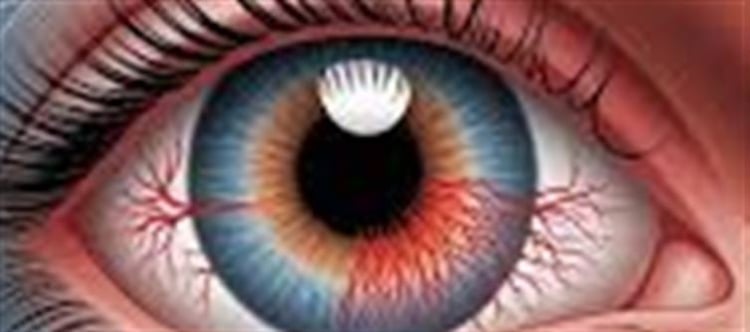
High blood sugar damages tiny blood vessels in the retina, causing diabetic retinopathy.
Can lead to blurred vision, floaters, or complete vision loss if untreated.
Increases the risk of cataracts and glaucoma.
Key Mechanisms:
Prolonged hyperglycemia weakens retinal capillaries, causing leakage, swelling, or new fragile vessel formation.
Oxidative stress further damages retinal tissue.
Prevention Tips:
Schedule annual eye exams for early detection.
Maintain blood sugar, blood pressure, and cholesterol within target ranges.
Wear sunglasses to reduce UV-related oxidative stress on the eyes.
3. diabetes and Kidney Health
How diabetes Affects the Kidneys:
High glucose levels strain the kidneys’ filtering system, leading to diabetic nephropathy.
Early stages may cause protein leakage in urine (microalbuminuria).
Advanced kidney damage can progress to chronic kidney disease or kidney failure, requiring dialysis.
Key Mechanisms:
High blood sugar damages glomeruli (tiny filters in kidneys).
High blood pressure, often associated with diabetes, accelerates kidney damage.
Prevention Tips:
Regular urine and kidney function tests to monitor protein levels and filtration rate.
Control blood sugar and blood pressure.
Limit salt intake and maintain a kidney-friendly diet.
4. Other Complications to Consider
While the heart, eyes, and kidneys are most affected, diabetes can also impact:
Nerves: Leading to diabetic neuropathy, causing numbness, tingling, or pain in extremities.
Feet: Poor circulation and nerve damage increase risk of infections and ulcers.
Skin: Higher susceptibility to infections, delayed wound healing, and fungal infections.
5. Holistic diabetes Management
Managing diabetes effectively requires more than monitoring blood sugar:
Regular health Checkups
Blood pressure, cholesterol, kidney function, and eye exams.
Balanced Diet
Focus on low-glycemic foods, fiber, lean protein, and healthy fats.
Physical Activity
Improves insulin sensitivity, circulation, and heart health.
Medication Adherence
Take insulin or oral hypoglycemics as prescribed, along with medications for blood pressure or cholesterol if needed.
Lifestyle Choices
Avoid smoking, limit alcohol, and manage stress to reduce overall organ damage risk.
✅ Key Takeaways
Diabetes is not just about sugar; it silently affects vital organs.
Heart, eyes, and kidneys are especially vulnerable, making comprehensive monitoring essential.
A proactive approach involving diet, exercise, medications, and regular screenings can prevent complications and maintain quality of life.
Disclaimer:
The views and opinions expressed in this article are those of the author and do not necessarily reflect the official policy or position of any agency, organization, employer, or company. All information provided is for general informational purposes only. While every effort has been made to ensure accuracy, we make no representations or warranties of any kind, express or implied, about the completeness, reliability, or suitability of the information contained herein. Readers are advised to verify facts and seek professional advice where necessary. Any reliance placed on such information is strictly at the reader’s own risk.
 click and follow Indiaherald WhatsApp channel