


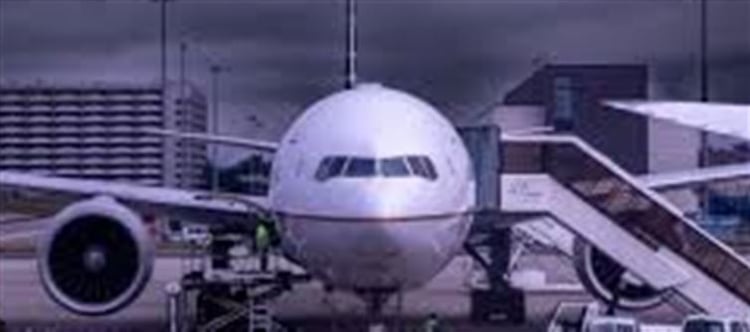

If you’ve ever flown, you might have noticed that aircraft doors on the left side are almost always used for boarding and deplaning. This isn’t a coincidence—it’s a long-standing practice rooted in aviation history, safety, and operational efficiency. While modern airports have jet bridges on both sides, the tradition of using the left side of the aircraft remains dominant worldwide.
Here are five key reasons why airplanes board from the left side.
1. Historical Naval Influence
Aviation borrowed many procedures from naval traditions, especially early military aviation.
Ships traditionally dock on the port (left) side, so sailors and officers would board from that side.
Early aircraft designers and pilots, many of whom had naval backgrounds, adopted the same convention for airplanes.
Using the left side became a standard, and the practice persisted into modern civil aviation.
2. Standardized Ground Operations
Aircraft are surrounded by ground service vehicles such as fuel trucks, catering trucks, baggage loaders, and maintenance crews.
Most of these vehicles are positioned on the right (starboard) side of the aircraft to avoid interfering with passenger boarding.
Boarding from the left keeps passengers separate from operational hazards, ensuring safety and smoother ground handling.
3. Pilot and Cockpit Orientation
The cockpit is located at the front of the aircraft, with the captain typically seated on the left side.
Boarding from the left allows the captain or crew to monitor boarding passengers directly if needed.
It also maintains consistent access to the cockpit and emergency exits, simplifying operational procedures.
4. Aircraft Door and Jet Bridge Design
Commercial aircraft doors are designed for left-side boarding, with stairs and jet bridges typically aligned with these doors.
Airports and airlines have standardized the left-side approach, allowing for universal compatibility across terminals.
Right-side boarding is usually reserved for special circumstances, such as cargo loading, military operations, or specific remote stands without jet bridges.
5. Safety and Emergency Considerations
Standardizing boarding on the left ensures that emergency exits on the right side remain unobstructed for rapid evacuation if needed.
Ground equipment and vehicles are positioned to minimize risks while passengers board.
Having a consistent boarding side reduces confusion during emergency evacuations, as crew and passengers are trained to expect left-side entry and exit.
Bonus Fact: Right-Side Boarding is Rare but Exists
Some small airports, military operations, or remote stands may require right-side boarding, especially when aprons or jet bridges are positioned differently.
Certain aircraft, like private jets or turboprops, may use the right side depending on configuration or ground conditions.
Despite these exceptions, left-side boarding remains the global norm for commercial aviation.
Conclusion
The practice of boarding airplanes from the left side is not arbitrary—it’s a combination of historical tradition, operational efficiency, safety, and standardization. From naval influence to modern airport design, the left side has consistently been chosen to ensure smooth passenger flow, safe ground operations, and emergency preparedness.
Next time you step onto an aircraft, remember: boarding from the left isn’t just a rule—it’s a legacy of aviation history and safety practice.
Disclaimer:
The views and opinions expressed in this article are those of the author and do not necessarily reflect the official policy or position of any agency, organization, employer, or company. All information provided is for general informational purposes only. While every effort has been made to ensure accuracy, we make no representations or warranties of any kind, express or implied, about the completeness, reliability, or suitability of the information contained herein. Readers are advised to verify facts and seek professional advice where necessary. Any reliance placed on such information is strictly at the reader’s own risk.
 click and follow Indiaherald WhatsApp channel