


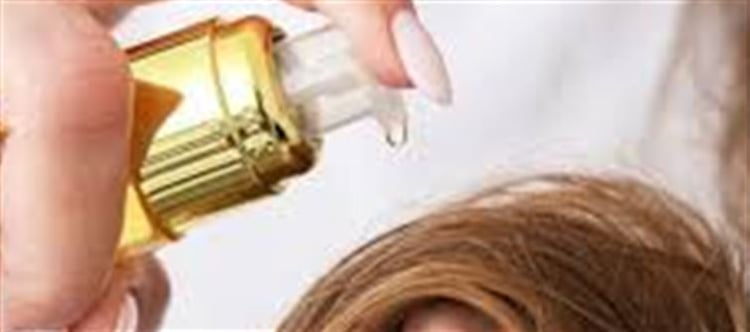

Olive oil has long been celebrated as a superfood for heart health, digestion, and overall wellness. But its benefits are not just limited to the kitchen. Many people wonder if olive oil can also improve hair health. Let’s explore how olive oil affects your hair and whether it’s worth including in your hair care routine.
Nutritional Profile of Olive Oil
Olive oil, especially extra virgin olive oil (EVOO), is rich in:
Monounsaturated fats — healthy fats that support cellular health.
Vitamin E — an antioxidant that protects cells from oxidative stress.
Polyphenols — compounds that reduce inflammation and may prevent damage.
These nutrients are why olive oil is called liquid gold for overall health.
How Olive oil Can Benefit Hair
1. Moisturizes Dry Hair
Olive oil is an excellent natural moisturizer.
Penetrates the hair shaft to lock in moisture, making hair soft and smooth.
Helps reduce dryness and frizz, especially in winter or dry climates.
Tip: Apply a small amount to the ends or hair shaft, avoiding the scalp if you have oily hair.
2. Strengthens Hair
Rich in vitamin E and antioxidants, olive oil helps protect hair from oxidative damage.
Strengthens hair strands, reducing breakage and split ends.
Regular use may improve overall hair texture and shine.
3. Scalp Health
Olive oil has antimicrobial properties that may help reduce scalp infections.
Massaging olive oil into the scalp can improve blood circulation, potentially promoting hair growth.
May help soothe dryness and flakiness.
Caution: Overuse may clog pores for people prone to scalp acne.
4. Protects Against Heat and Chemical Damage
Olive oil forms a thin protective layer over the hair shaft.
Helps minimize damage from heat styling, sun exposure, and chemical treatments.
Often used as a pre-shampoo treatment to maintain hair health.
How to Use Olive oil for Hair
Pre-Shampoo Treatment:
Warm 1–2 tablespoons of olive oil.
Massage into scalp and hair.
Leave for 30–60 minutes, then wash with a mild shampoo.
Hair Mask with Other Ingredients:
Mix olive oil with honey, yogurt, or avocado for added moisture and nutrients.
Apply once or twice a week.
Leave-In Serum (Sparingly):
Apply a tiny amount to the hair ends to reduce frizz and add shine.
Tip: Avoid applying too much directly to roots if you have oily hair, as it can weigh hair down.
Benefits vs. Limitations
Benefits:
Adds moisture, shine, and smoothness.
Protects against breakage and heat damage.
Supports scalp health and reduces dryness.
Limitations:
Overuse can make hair greasy or heavy.
Not a miracle cure for hair loss — underlying issues like genetics, hormonal imbalance, or nutrition deficiencies require medical attention.
Works best on dry, damaged, or frizzy hair rather than very oily hair types.
Conclusion
Olive oil is more than just a heart-healthy kitchen ingredient — it can be a natural ally for healthy hair. Regular, moderate use can moisturize, strengthen, and protect hair, making it softer, shinier, and more manageable. However, it’s not a substitute for proper hair care, balanced nutrition, or treatment for hair loss conditions.
Pro Tip: Combine a diet rich in olive oil with topical application to maximize hair and overall health benefits.
Disclaimer:
The views and opinions expressed in this article are those of the author and do not necessarily reflect the official policy or position of any agency, organization, employer, or company. All information provided is for general informational purposes only. While every effort has been made to ensure accuracy, we make no representations or warranties of any kind, express or implied, about the completeness, reliability, or suitability of the information contained herein. Readers are advised to verify facts and seek professional advice where necessary. Any reliance placed on such information is strictly at the reader’s own risk.
 click and follow Indiaherald WhatsApp channel