


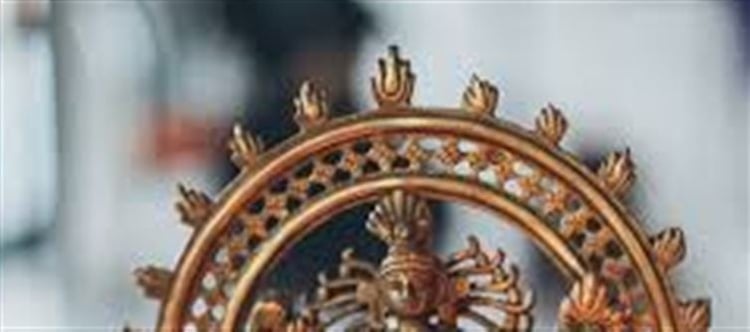

The Shiva Tandava Stotram is one of the most powerful and revered hymns in Hinduism, dedicated to Lord Shiva, the deity of destruction, transformation, and cosmic balance. This hymn is not just a spiritual chant but also a masterpiece of sanskrit poetry, believed to have been composed by Ravana, the mighty king of Lanka, as an offering to appease Lord Shiva.
Origin of shiva Tandava Stotram
The hymn was composed by Ravana, who was not only a king but also a devotee of Lord Shiva and a scholar of music and sanskrit literature.
According to legend, Ravana’s devotion was so intense that he played the veena and chanted the hymn in praise of Shiva, hoping to gain his blessings and invincibility.
The term “Tandava” refers to the cosmic dance of Lord Shiva, symbolizing creation, preservation, and destruction of the universe.
Significance of the Hymn
Spiritual Power: Reciting the shiva Tandava Stotram is believed to invoke divine energy and protect devotees from negative forces.
Mental Clarity: The rhythmic and powerful verses are said to increase focus, courage, and determination.
Devotional Expression: The hymn is a form of extreme devotion (bhakti) and reverence toward Lord Shiva.
Symbolism of the Dance: The Tandava dance represents the dynamic nature of the cosmos, reminding devotees of the transient nature of life and the importance of spiritual awakening.
Structure and Language
The hymn is composed in Sanskrit, with 16 syllables in each verse arranged in a tightly structured meter.
Its language is rich, rhythmic, and powerful, making it both a spiritual chant and a poetic masterpiece.
The verses describe Lord Shiva’s appearance, his cosmic dance, his attributes, and his role as the destroyer of evil.
Benefits of Reciting shiva Tandava Stotram
Spiritual Upliftment: Helps in connecting deeply with divine energy.
Protection from Negativity: Believed to ward off evil influences and bring mental strength.
Emotional Balance: The chanting rhythm reduces stress and anxiety, providing inner calm.
Focus and Discipline: Regular recitation enhances concentration and determination.
How to Recite the Hymn
Time: Early morning or during Maha Shivratri and other auspicious shiva days.
Posture: Sit in a calm, quiet place facing east or north.
Attitude: Recite with devotion, sincerity, and concentration, preferably in a melodious tone.
Additional Practices: Some devotees light incense, offer flowers, or chant with a Rudraksha mala to enhance the spiritual experience.
Cultural Influence
The shiva Tandava Stotram has inspired classical music, dance performances, and devotional renditions across India.
It is often performed during Shivaratri celebrations and in temples dedicated to Lord Shiva.
Its intense rhythm and imagery make it a favorite among scholars, musicians, and devotees alike.
Conclusion
The Shiva Tandava Stotram is more than a hymn; it is a powerful spiritual tool, a poetic marvel, and a reflection of Ravana’s devotion and mastery of sanskrit literature. Chanting or listening to this stotram is believed to bring strength, courage, spiritual upliftment, and protection from negative energies.
Tip: Even reciting a few verses daily with devotion can help cultivate inner peace, focus, and divine connection.
Disclaimer:
The views and opinions expressed in this article are those of the author and do not necessarily reflect the official policy or position of any agency, organization, employer, or company. All information provided is for general informational purposes only. While every effort has been made to ensure accuracy, we make no representations or warranties of any kind, express or implied, about the completeness, reliability, or suitability of the information contained herein. Readers are advised to verify facts and seek professional advice where necessary. Any reliance placed on such information is strictly at the reader’s own risk.
 click and follow Indiaherald WhatsApp channel