


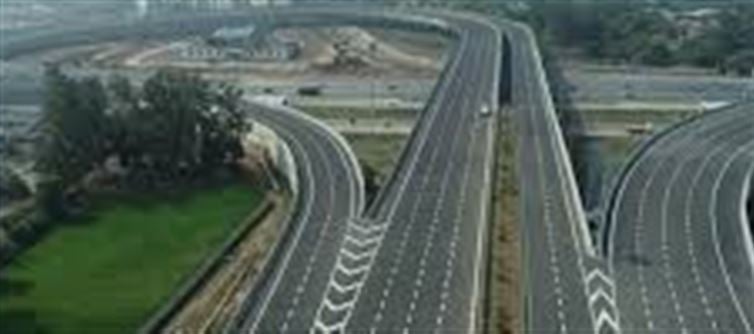

With the expansion of expressways across India, driving on these high-speed roads has become more common. However, new rules and regulations have been introduced to ensure safety, smooth traffic flow, and avoid penalties. Here’s what you need to know before hitting the expressway.
1. Speed Limits
- Cars and Light Vehicles: Maximum speed limit is generally 120 km/h.
- Heavy Vehicles: Trucks and buses must maintain 80–100 km/h.
- Minimum Speed: Most expressways have a minimum speed of 60 km/h to avoid disrupting traffic.
- Penalty: Overspeeding can result in fines under the Motor vehicles Act, 2019.
2. Lane Discipline
- Keep Right: Drive in the right lane, overtaking from the left lane only.
- No Zigzagging: Changing lanes frequently is prohibited.
- Dedicated Lanes: Certain lanes may be reserved for heavy vehicles or high-speed cars.
3. Vehicle Requirements
- Valid Registration & Fitness Certificate: Mandatory for all vehicles.
- Helmet & Seatbelt: Helmet for two-wheelers, seatbelt for all four-wheeler passengers.
- Electronic Toll Tag (FASTag): Must be linked and active for seamless toll payment.
4. Emergency Protocols
- Emergency Lanes: Only for breakdowns or accidents. Do not use for overtaking.
- Help Desks: Located at regular intervals for vehicle assistance.
- Accidents: Call 100 or 108 immediately; use reflective triangles and hazard lights.
5. Restricted Actions
- No Stopping: Except at designated toll plazas, rest areas, or emergencies.
- No Overtaking on Curves or Bridges: This is strictly prohibited to prevent accidents.
- No Pedestrians or Non-Motorized Vehicles: Only motorized vehicles are allowed.
6. Toll and Payment Rules
- Cashless Payment: Use FASTag to avoid delays and fines.
- Dynamic Toll Pricing: Some expressways may implement time-based toll charges.
Tips to Drive Safely on Expressways
Plan Your Route: Know rest stops, fuel stations, and emergency exits.
Check Vehicle Condition: Tyres, brakes, fuel, and lights before long drives.
Keep Documents Handy: Driving license, vehicle registration, insurance, and FASTag.
Avoid Night Driving if Possible: Reduced visibility increases risk.
Follow Traffic Rules: Adhering to speed limits and lane discipline reduces fines and accidents.
Conclusion
Driving on expressways is faster and convenient, but safety and compliance with new rules are critical. Maintaining speed limits, lane discipline, and proper vehicle documentation will help you save time, avoid fines, and ensure a smooth journey.
Disclaimer:
The views and opinions expressed in this article are those of the author and do not necessarily reflect the official policy or position of any agency, organization, employer, or company. All information provided is for general informational purposes only. While every effort has been made to ensure accuracy, we make no representations or warranties of any kind, express or implied, about the completeness, reliability, or suitability of the information contained herein. Readers are advised to verify facts and seek professional advice where necessary. Any reliance placed on such information is strictly at the reader’s own risk.
 click and follow Indiaherald WhatsApp channel