


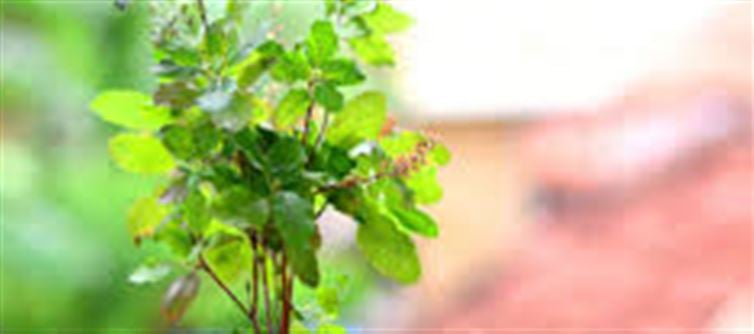

Tulsi (holy basil) is considered sacred in Hindu tradition and is known for its spiritual and medicinal properties. Among its varieties, Rama and Shyama Tulsi are widely revered and planting them at the right time and direction is believed to bring health, prosperity, and positive energy to your home.
1. Significance of Tulsi in Homes
· Tulsi is considered the earthly form of Goddess Lakshmi.
· Planting Tulsi is believed to purify the environment and protect from negative energies.
· It has medicinal properties, including boosting immunity, aiding digestion, and reducing stress.
2. Auspicious Time to Plant Tulsi
· The ideal time is during early morning (6–8 AM) when the air is fresh.
· Ekadashi, Amavasya, or Shukla Paksha days are considered most auspicious.
· Avoid planting during Rahu Kalam, Yamaganda, or during heavy rains for best results.
3. Best Direction to Plant Tulsi
· North-East (Ishaan corner): Ideal for maximum positive energy and spiritual benefits.
· East-facing direction: Encourages good health and prosperity.
· Avoid South or West corners, as they are considered less favorable in Vastu Shastra.
4. Tips for Healthy Tulsi Growth
· Soil: Use well-drained, fertile soil mixed with compost.
· Watering: Keep the soil moist but not waterlogged.
· Sunlight: Tulsi thrives in 6–8 hours of sunlight daily.
· Pot or Garden: Rama Tulsi prefers open garden soil, Shyama Tulsi can also grow in pots.
· Pruning: Regularly trim leaves to encourage new growth and prevent disease.
5. Spiritual Practices After Planting
· Water the Tulsi plant with clean water while chanting Tulsi mantra.
· Light a diya or incense near the plant for blessings.
· Offer fresh water and a few grains of rice daily to honor the plant.
Conclusion: Planting Rama-Shyama Tulsi at the right time and direction not only enhances your home’s positive energy but also brings health and prosperity. Following these Vastu and spiritual guidelines ensures your Tulsi plant thrives beautifully.
Disclaimer:
The views and opinions expressed in this article are those of the author and do not necessarily reflect the official policy or position of any agency, organization, employer, or company. All information provided is for general informational purposes only. While every effort has been made to ensure accuracy, we make no representations or warranties of any kind, express or implied, about the completeness, reliability, or suitability of the information contained herein. Readers are advised to verify facts and seek professional advice where necessary. Any reliance placed on such information is strictly at the reader’s own risk..jpg)
 click and follow Indiaherald WhatsApp channel