
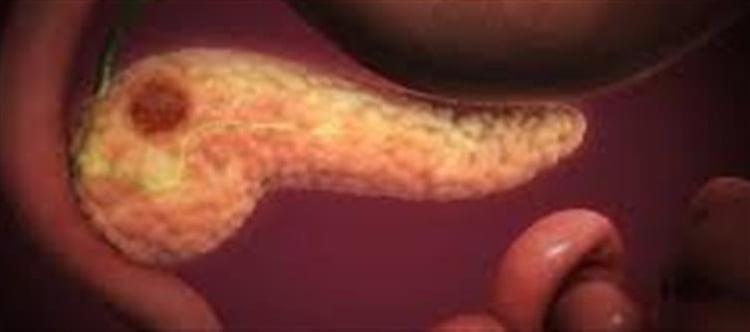


Pancreatic cancer is one of the most aggressive and deadly forms of cancer. It’s often diagnosed late because early symptoms are vague or easily overlooked, and by the time it’s detected, the disease may have already spread. That’s why understanding the symptoms, risks, and latest scientific developments is crucial.
Why Pancreatic cancer Is So Serious
- Pancreatic cancer typically shows little to no symptoms in its early stages, which makes early diagnosis very difficult.
- Most diagnoses occur only after the cancer has progressed and spread, leading to a poor prognosis and low survival rates.
- For instance, the overall 5‑year survival rate is around 10–12%, and even lower (around 1%) for advanced cases.
Common Symptoms of Pancreatic Cancer
Pancreatic cancer symptoms often appear only after the disease has advanced. If you notice these signs persistently, especially together, see a doctor:
🩺 Key Symptoms
Abdominal Pain or Back Pain
— Pain that starts in the upper abdomen and can radiate to the back.
Unexplained Weight Loss
— Losing weight without trying can be an early warning sign.
Loss of Appetite
— A sudden decrease in appetite is common.
Jaundice (Yellow Skin or Eyes)
— Caused when the tumor blocks bile ducts. This may also lead to dark urine or light‑colored stools.
Fatigue and Weakness
— Persistent tiredness is frequently reported.
Itchy Skin
— Often related to jaundice.
Digestive Issues
— Nausea, bloating, gas, or indigestion can occur.
New‑onset diabetes or Difficulty Controlling Blood Sugar
— Sudden diabetes or worsening control may be a sign.
Blood Clots
— Can appear in the legs or elsewhere.
⚠️ Important: These symptoms can be caused by many other conditions, not just pancreatic cancer. But persistent, unexplained symptoms should never be ignored.
Risk Factors That Increase Chances
Certain factors raise the risk of developing pancreatic cancer:
- Smoking and tobacco use
- Chronic pancreatitis (long‑term inflammation of the pancreas)
- Type 2 diabetes
- Family history of pancreatic cancer or genetic syndromes
- Obesity and certain lifestyle factors
- Increasing age (most cases occur in adults over 65)
Diagnosis and Treatment
Because early symptoms are vague, imaging tests like CT scans, MRI, ultrasound, and endoscopic ultrasound with biopsy are used to diagnose pancreatic cancer.
Treatment options may include:
- Surgery (if the tumor is operable)
- Chemotherapy
- Radiation therapy
- Targeted therapies or clinical trials
- Palliative care for symptom relief
When pancreatic cancer is diagnosed early — before it spreads — the chance of successful treatment and longer survival improves significantly, though early detection remains a major challenge.
What Science Is Doing: New Research and Hope
Scientists around the world are actively researching better treatments and earlier detection strategies:
🔬 Promising Treatment Research
- Researchers have tested a triple‑drug therapy in mice that completely eliminated tumors in early trials and prevented recurrence, showing potential for future human treatments.
- Another study found a way to block immune‑disguising proteins on pancreatic cancer cells, helping the immune system attack tumors more effectively in mice.
🧪 New Detection Methods
- Scientists have developed a low‑cost blood test with high accuracy for early detection, which could dramatically improve outcomes if applied widely.
👉 These developments are still in research stages and not yet widely available for everyday clinical use — but they represent major steps toward more effective early diagnosis and treatment.
Why Awareness Matters
Because pancreatic cancer often shows symptoms only after the disease has progressed, understanding and acting on early warning signs is vital. Seeing a doctor promptly if symptoms persist can mean the difference between early, treatable disease and late‑stage cancer with a poor prognosis.
Summary
- Pancreatic cancer is deadly partly because early symptoms are subtle or absent.
- Symptoms to watch for include abdominal/back pain, jaundice, weight loss, loss of appetite, new diabetes, and digestive issues.
- Risk factors include smoking, chronic pancreatitis, diabetes, obesity, and family history.
- Treatment options exist but work best when caught early.
- Scientists are making promising progress in treatment and early detection, offering hope for the future.
Disclaimer:
The views and opinions expressed in this article are those of the author and do not necessarily reflect the official policy or position of any agency, organization, employer, or company. All information provided is for general informational purposes only. While every effort has been made to ensure accuracy, we make no representations or warranties of any kind, express or implied, about the completeness, reliability, or suitability of the information contained herein. Readers are advised to verify facts and seek professional advice where necessary. Any reliance placed on such information is strictly at the reader’s own risk.
 click and follow Indiaherald WhatsApp channel