
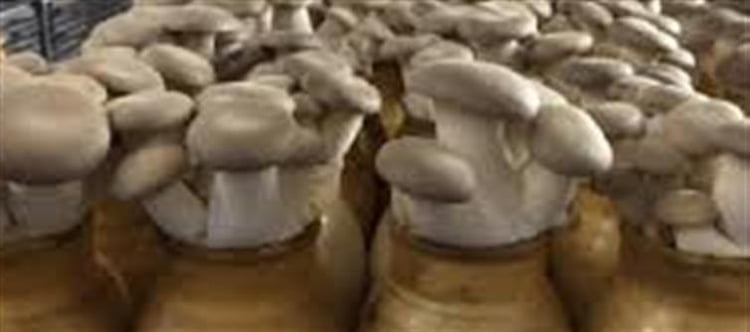


Mushroom farming is one of the most high‑potential agribusinesses in india today. It needs low land and investment, delivers quick returns, and with government subsidies and incentives, it offers a great opportunity for aspiring entrepreneurs, farmers, and youth.
🧠 Why mushroom Farming Is a Smart business Choice
✅ Small investment — can start with minimal area or even no land (kits).
✅ Fast returns — most mushroom crops can be harvested in 30–45 days.
✅ High demand — fresh mushrooms are in demand from restaurants, markets, and supermarkets.
✅ Government incentives — subsidies reduce costs significantly.
💰 Government Subsidy Support Available
The indian government and several state horticulture departments are offering subsidy support (varies by state and scheme):
🌾 1. mushroom Kit Subsidies
✔️ Some states offer up to ~90% subsidy on mushroom growing kits — e.g., button, oyster, or bucket mushroom kits.
✔️ This means you buy kits at a very low cost, and the government covers most of the price.
For example:
- A kit costing ₹90 might only cost you ₹9 after subsidy.
👉 Great for beginners, landless farmers, youth, and women entrepreneurs.
🏠 2. Structure/Hut Construction Support
Some schemes provide assistance (usually 40%–50%) to build small mushroom houses or sheds — making cultivation more stable and year‑round.
📉 3. Central Schemes & Horticulture Subsidies
Central government schemes via agencies like the National Horticulture Board (NHB) and MIDH (Mission for Integrated Development of Horticulture) also support mushroom units:
✔️ NHB: up to 30–40% back‑ended capital subsidy on larger mushroom units.
✔️ MIDH: 35–50% subsidy for infrastructure, spawn units, etc.
Note: 100% subsidy is rare at the central level — but states may offer very high kit subsidies or 100% assistance for specific components like spawn production in public sectors.
📊 Basic Financial Plan (Example)
1. Startup Costs (Small Scale)
- Mushroom kits (with subsidy): very low
- Spawn and compost supplies
- Small shed or controlled space
- Tools & basic equipment
With subsidies, your investable cost can be reduced to as little as a few thousand rupees for initial stocking.
2. Revenue Potential
A modest small shed can produce hundreds to thousands of kilograms of mushrooms per cycle.
👉 mushroom prices range widely, but fresh mushrooms often sell for ₹100/kg or more depending on market.
Profit margins can be high due to low cultivation cost.
📋 Step‑by‑Step business Plan
🧑🌾 Step 1 — Training and Planning
✔️ Learn mushroom cultivation basics through extension centers or training from Krishi Vigyan Kendras.
✔️ Decide which mushroom variety to grow (button, oyster, etc.).
🧾 Step 2 — Choose a Subsidy Scheme
👉 Visit your State Horticulture Department office or website.
👉 Check if your district offers specific mushroom kit subsidies (e.g., 90% in some states).
🗂️ Step 3 — Prepare a Project Report
Draft a project plan covering:
- Scale of operation
- Space required
- Cost estimates
- Expected profits
This will be needed for formal subsidies and bank loans.
🏦 Step 4 — Apply for Subsidy and Support
Apply through:
- State Horticulture Dept.
- NHB / MIDH portals
- District Agriculture Offices
Often you need:
✅ Land proof or even no land for small kit schemes
✅ Aadhaar & bank details
✅ Project report & identification
🛠️ Useful Tips for Faster Success
✔ Start with mushroom kits if you’re new — minimal risk.
✔ Focus on market linkages — restaurants, supermarkets, online delivery.
✔ Diversify into value‑added products (dried mushrooms, pickles).
✔ Register under Udyam/MSME to access additional government incentives and easier loans.
📌 Summary
Mushroom farming is one of the fastest‑growing and profitable agribusiness ideas in india, thanks to rising demand and supportive government schemes. With heavily subsidized kits (up to ~90% in some states) and additional capital support from central/state governments, this business is ideal for new entrepreneurs, farmers, youth, and women.
Disclaimer:
The views and opinions expressed in this article are those of the author and do not necessarily reflect the official policy or position of any agency, organization, employer, or company. All information provided is for general informational purposes only. While every effort has been made to ensure accuracy, we make no representations or warranties of any kind, express or implied, about the completeness, reliability, or suitability of the information contained herein. Readers are advised to verify facts and seek professional advice where necessary. Any reliance placed on such information is strictly at the reader’s own risk.
 click and follow Indiaherald WhatsApp channel