
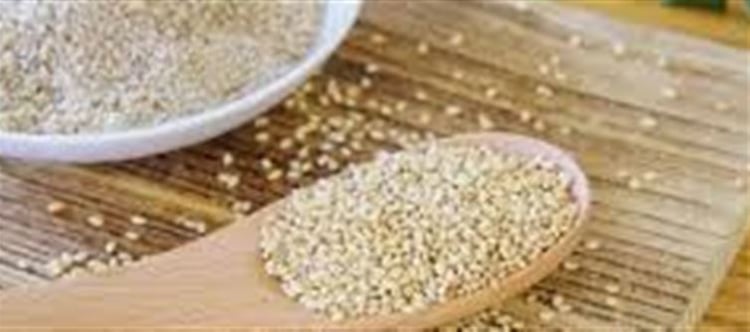


Seed-based nutrition has become increasingly popular, with trends like seed cycling highlighting the benefits of chia, basil, and pumpkin seeds. However, some traditional indian seeds, such as til (sesame) seeds, are often overlooked, despite their rich nutritional profile.
1. Why Til Seeds Are a Superfood
· Rich in Calcium: Ideal for people who avoid dairy, helping support bone health.
· High in Healthy Fats: Contains polyunsaturated and monounsaturated fats that support heart health.
· Protein Powerhouse: Offers plant-based protein, making it a good addition for vegetarians.
· Packed with Minerals: Includes iron, magnesium, phosphorus, and zinc, essential for overall wellness.
· Contains Antioxidants: Lignans and other compounds help reduce inflammation and support digestive health.
2. How to Include Til Seeds in Your Diet
· Roasted as a Snack: Lightly roast sesame seeds with a pinch of salt for a crunchy treat.
· Add to Breakfasts: Sprinkle over oats, poha, or smoothies.
· In Baking and Cooking: Incorporate into chapati dough, parathas, or cookies.
· Sesame Paste (Tahini): Mix into salad dressings, dips, or sauces for extra nutrition.
· Sweet Preparations: Use in til laddoos or sesame brittle for a healthy dessert.
3. Benefits of Til Seeds for Non-Dairy Consumers
· Compensates for the calcium gap in milk-free diets.
· Supports bone density and dental health.
· Promotes gut health and reduces cholesterol levels.
· Provides a sustained energy boost due to healthy fats and protein.
4. Tips for Maximum Benefits
· Moderation is key: 1–2 tablespoons daily is sufficient.
· Roast lightly: Roasting enhances flavor but avoid burning to preserve nutrients.
· Combine with vitamin C: Helps improve calcium absorption.
Conclusion
Til seeds are an underrated yet powerful superfood, especially for those who don’t consume milk. Adding just a handful to your daily diet can provide essential nutrients, support bone health, and promote overall wellness, making it a simple but effective addition to your meals.
Disclaimer:
The views and opinions expressed in this article are those of the author and do not necessarily reflect the official policy or position of any agency, organization, employer, or company. All information provided is for general informational purposes only. While every effort has been made to ensure accuracy, we make no representations or warranties of any kind, express or implied, about the completeness, reliability, or suitability of the information contained herein. Readers are advised to verify facts and seek professional advice where necessary. Any reliance placed on such information is strictly at the reader’s own risk.
 click and follow Indiaherald WhatsApp channel