


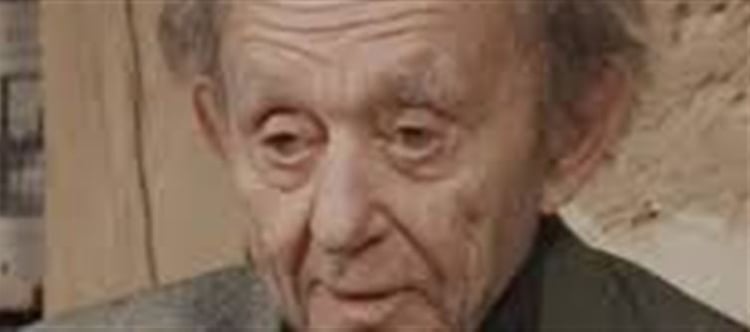

New York / Cambridge: Legendary documentary filmmaker Frederick Wiseman has died at the age of 96, his family and production company Zipporah Films confirmed. Wiseman’s passing marks the end of an era in nonfiction cinema — one defined by his unique, immersive approach to capturing real life on film.
A Life in Film: From Law to Documentaries
Born in Boston in 1930, Wiseman initially trained in law and worked in academia before turning to filmmaking in the 1960s. His transition from law to cinema led him to create deeply observational films that examined American institutions and everyday life without narration or interviews.
Pioneering a Distinctive Documentary Style
Wiseman’s films were known for their:
- Long, unedited sequences and minimal intervention
- Absence of narration or staged interviews
- Focus on real people in real settings — hospitals, schools, welfare offices, libraries, and prisons
This observational method allowed audiences to form their own interpretations of the scenes and characters he documented. Wiseman often referred to his films as “Reality Fictions,” blending realism with crafted cinematic storytelling. His approach influenced generations of documentary filmmakers.
Breakthrough and Controversies
Wiseman’s first feature, “Titicut Follies” (1967) — a stark look at life inside a state hospital for the criminally insane — became a landmark in documentary history. The film was controversial because of its unflinching portrayal of patient abuse and was banned from public exhibition for many years due to legal challenges before being allowed with restrictions.
A Vast and Impactful Filmography
Over nearly six decades, Wiseman made about 50 documentaries, exploring themes such as justice, education, healthcare, housing, and cultural institutions both in the U.S. and abroad. Among his notable films were:
- High School — an unvarnished look at everyday life in a suburban school
- Law and Order — a portrayal of police work in Kansas City
- Hospital — an inside view of a public hospital
- Menus‑Plaisirs — Les Troisgros (2023) — his most recent film, set in a Michelin‑starred French kitchen
His work was broadcast on public television and featured at major film festivals around the world.
Honours and Recognition
Wiseman’s contributions to cinema were widely recognised:
- Honorary Academy Award (Oscar) in 2016 for his outstanding body of work
- Multiple Emmy Awards
- Fellowships from prestigious institutions such as MacArthur and Guggenheim
- Lifetime achievement awards at major festivals, including Venice and Cannes
Personal Life and Legacy
Wiseman founded Zipporah Films, named after his late wife, Zipporah Batshaw Wiseman, who died in 2021. He is survived by his two sons, grandchildren, and longtime collaborators who helped bring his vision to life.
His films remain a vital cinematic record of contemporary society and institutions, celebrated for their depth, nuance, and humanism — qualities that ensured his place as one of the most influential documentary filmmakers in history.
Remembering a Documentary Giant
Frederick Wiseman’s unique talent lay in his ability to turn ordinary settings into profound visual narratives, offering insights into human behaviour and societal systems seldom seen in traditional cinema. His legacy will continue to shape documentary filmmaking for generations to come.
Disclaimer:
The views and opinions expressed in this article are those of the author and do not necessarily reflect the official policy or position of any agency, organization, employer, or company. All information provided is for general informational purposes only. While every effort has been made to ensure accuracy, we make no representations or warranties of any kind, express or implied, about the completeness, reliability, or suitability of the information contained herein. Readers are advised to verify facts and seek professional advice where necessary. Any reliance placed on such information is strictly at the reader’s own risk.
 click and follow Indiaherald WhatsApp channel