
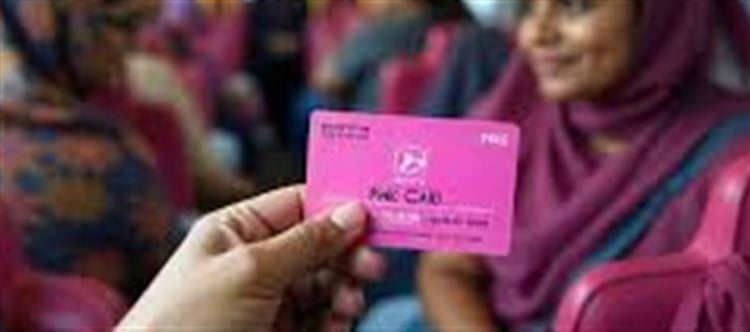


The Delhi Government has launched the “Pink Saheli” smart card scheme to make public transport more accessible, safe, and affordable for women and transgender residents of Delhi. As part of the rollout, authorities have set up around 50 centres across the city where eligible commuters can obtain their pink Saheli cards from March 3, 2026.
What Is the ‘Pink Saheli’ Card?
The Pink Saheli Card is part of the Pink National Common Mobility Card (NCMC) initiative. It functions as a digital travel card meant to replace the old paper‑based pink tickets previously used for free bus travel.
Under the scheme:
- Women and transgender persons who are residents of Delhi can travel free of cost on public buses operated by the Delhi Transport Corporation (DTC) and affiliated cluster services.
- The smart card can also be used for paid travel on other transport networks such as the Delhi Metro and the Regional Rapid Transit System (RRTS) using the same card.
The card works under the “One Nation, One Card” framework, enabling seamless travel across multiple urban transport systems with a single wallet PLATFORM' target='_blank' title='digital-Latest Updates, Photos, Videos are a click away, CLICK NOW'>digital card.
50 Centres Set Up for Card Distribution
To ensure wide, easy access:
- The delhi government has established about 50 distribution centres scattered across the city.
- These include offices of District Magistrates (DM) and Sub‑Divisional Magistrates (SDM) as well as select DTC bus depots where the pink Saheli cards are being issued.
- Cards are provided free of cost, and issuance is typically open from morning to late afternoon at these hubs.
Each card is linked to the beneficiary’s Aadhaar number and registered mobile number to verify age, gender, and delhi residency before issue.
Launch and Early Response
The initiative was formally launched on March 2, 2026, by President Droupadi Murmu as part of a wider set of women‑centric welfare schemes.
On the first day of distribution, thousands of eligible residents obtained their cards from the centres:
- Roughly 3,600–3,900 pink Saheli cards were issued on Day 1 across the 50 centres.
Officials described the turnout as promising and expect even more women and transgender individuals to register for and use the card in the coming days.
Key Benefits of the Card
The Pink Saheli smart card provides several advantages:
- Unlimited free travel on DTC and cluster buses for eligible women and transgender commuters.
- Ability to use the same smart card for paid journeys on Metro and RRTS systems under the NCMC platform.
- A more secure, touch‑free wallet PLATFORM' target='_blank' title='digital-Latest Updates, Photos, Videos are a click away, CLICK NOW'>digital system replacing paper tickets, with better tracking and transparency.
Who Is Eligible?
Eligibility for the pink Saheli card is generally open to women and transgender persons who are residents of Delhi. Applicants must provide valid identity and residency proofs like Aadhaar or other accepted documents during verification at the distribution centres.
What’s Next?
Authorities plan to continue issuing cards at the 50 centres, with awareness drives to inform eligible residents how to apply and benefit from the scheme. Longer‑term, the government may expand distribution and add integrated services to improve public transport access for women and transgender commuters further.
Disclaimer:
The views and opinions expressed in this article are those of the author and do not necessarily reflect the official policy or position of any agency, organization, employer, or company. All information provided is for general informational purposes only. While every effort has been made to ensure accuracy, we make no representations or warranties of any kind, express or implied, about the completeness, reliability, or suitability of the information contained herein. Readers are advised to verify facts and seek professional advice where necessary. Any reliance placed on such information is strictly at the reader’s own risk.
 click and follow Indiaherald WhatsApp channel