


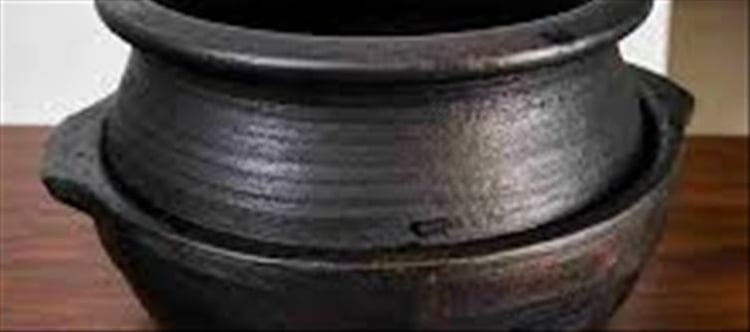

That line is a nod to something many households are rediscovering today: traditional clay cookware isn’t just nostalgic—it actually has real benefits for cooking and health.
🧱 What Is a Clay Pot?
A clay pot (often called earthen pot or manchatti) is made from natural clay and fired at low temperatures. It has been used for centuries in indian kitchens for cooking rice, curries, and even water storage.
🌿 Why Clay Pots Are Making a Comeback
💧 1. Natural Cooling Effect
Clay is porous, so it allows slow evaporation of water.
👉 This helps:
- Keep food moist
- Maintain natural flavors
- Prevent overcooking
🍲 2. Better Flavor in Food
Food cooked in clay pots often tastes:
- Earthy
- Rich
- More aromatic
This is because clay reacts slowly with ingredients and preserves their natural essence instead of stripping it away like some metal cookware can.
🔥 3. Even, Slow Cooking
Clay distributes heat gradually:
- No sudden burning
- Gentle simmering
- Better nutrient retention in some foods
This makes it ideal for:
- Curries
- Stews
- Slow-cooked rice dishes
🧪 4. Alkaline Nature (Traditional Belief + Some Support)
Clay is slightly alkaline, which may:
- Balance acidic foods
- Improve taste
- Make food easier on digestion (traditionally believed, still debated scientifically)
🥤 Not Just for Cooking — Clay Pots for Water Too
Your grandmother’s clay water pot wasn’t just tradition—it had purpose:
- Keeps water naturally cool
- Adds a mild earthy taste
- Avoids plastic contamination concerns
- No electricity needed
⚖️ Clay Pot vs Modern Cookware
Feature
Clay Pot
Metal/Non-stick Cookware
Heat speed
Slow & even
Fast
Flavor
Natural & rich
Neutral
Maintenance
Needs care
Easy
Health perception
Traditional, chemical-free
Modern convenience
⚠️ Things to Keep in Mind
Clay pots are great, but they need care:
- Must be seasoned before first use
- Should be handled gently (fragile)
- Requires proper cleaning to avoid cracks or odor
- Not ideal for very fast cooking
🧠 Why This “Grandmother Was Right” idea Matters Today
Modern lifestyles often prioritize speed, but clay pots remind us of:
- Slower, mindful cooking
- Less chemical exposure
- Connection to traditional food practices
- Simpler, more natural living
🏁 Conclusion
Your grandmother’s clay pot isn’t just a kitchen relic—it’s a time-tested cooking tool that still holds value today. While modern cookware offers convenience, clay cookware brings back slow cooking, better flavor, and a more natural approach to food.
Disclaimer:
The views and opinions expressed in this article are those of the author and do not necessarily reflect the official policy or position of any agency, organization, employer, or company. All information provided is for general informational purposes only. While every effort has been made to ensure accuracy, we make no representations or warranties of any kind, express or implied, about the completeness, reliability, or suitability of the information contained herein. Readers are advised to verify facts and seek professional advice where necessary. Any reliance placed on such information is strictly at the reader’s own risk.
 click and follow Indiaherald WhatsApp channel